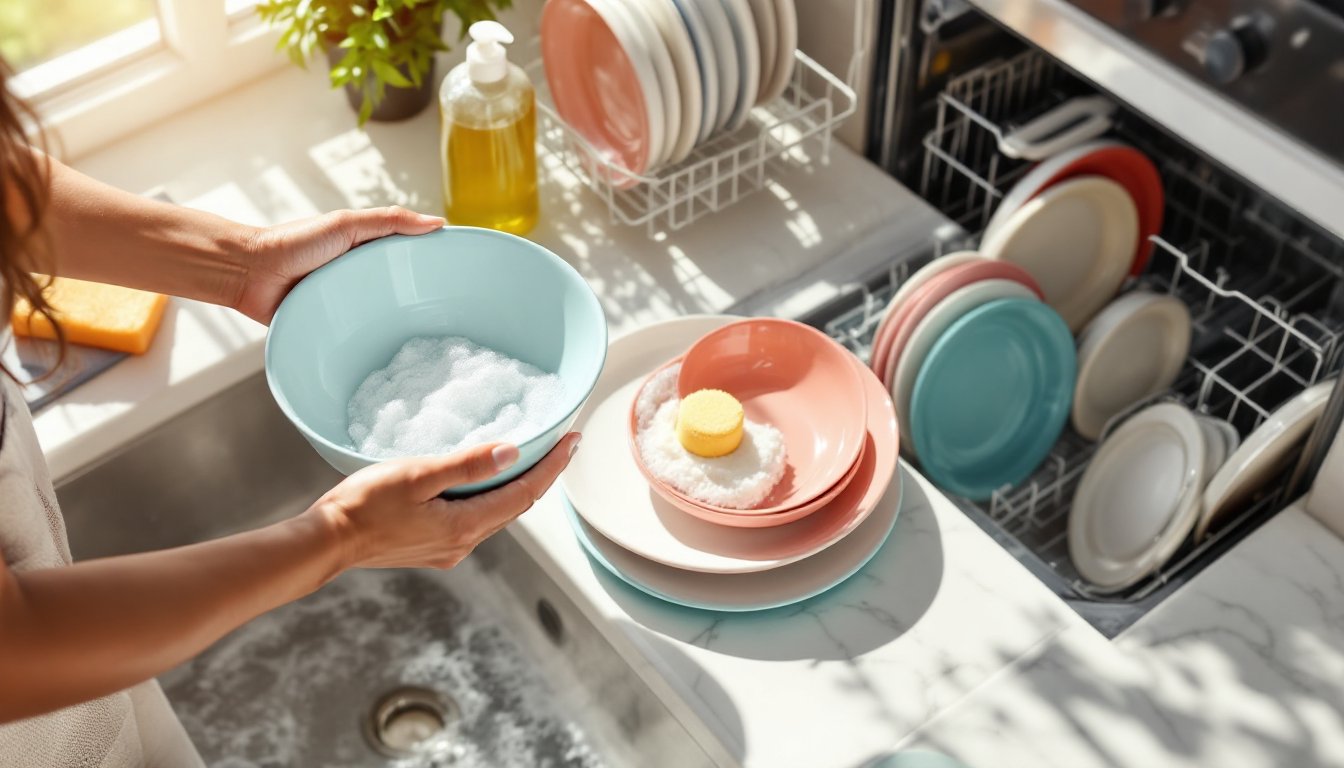
Melamine dinnerware has become a staple in homes, patios, and RVs thanks to its durability and resistance to shattering. It’s lightweight, affordable, and comes in styles that rival ceramic or porcelain. But the convenience ends when you open the dishwasher door. Most homeowners don’t realize that melamine and dishwashers don’t mix well, and ignoring that fact can lead to cracked, clouded, or leaching dishes. If you’ve been tossing your melamine plates into the dishwasher without a second thought, it’s time to reconsider. This guide breaks down what melamine is, why it doesn’t play nice with high heat, and how to care for it properly so your dishes last.
Table of Contents
ToggleKey Takeaways
- Melamine is not dishwasher safe because high heat (130–170°F) causes the material to soften, warp, and degrade, leading to cracking and chemical leaching.
- Hand-washing melamine dishes with lukewarm water and mild soap is the safest and most effective cleaning method to preserve their finish and extend their lifespan.
- Signs that melamine dishes are damaged—such as cracks, cloudy finish, rough texture, persistent stains, or warping—indicate it’s time to retire them for food safety reasons.
- Avoid using melamine in microwaves, ovens, or for hot foods directly from the stove, and store dishes with protective layers between them to prevent scratches and degradation.
- If dishwasher convenience is essential, consider switching to alternatives like tempered glass, stoneware, or engineered heat-resistant plastics that can safely handle high-temperature cleaning cycles.
What Is Melamine and Why Is It So Popular?
Melamine is a type of hard plastic made from melamine resin, a polymer created by combining melamine and formaldehyde under heat and pressure. The result is a lightweight, impact-resistant material that resists chips and breaks far better than ceramic or glass. It’s molded into plates, bowls, serving trays, and utensils, and it’s a go-to for families with young kids, outdoor entertaining, and campers.
The appeal is simple: melamine looks like real dinnerware but won’t shatter when dropped on tile or concrete. It’s dishware that handles rough use. You can find melamine in nearly any color or pattern, from minimalist white to bright floral designs. It’s also inexpensive compared to porcelain or stoneware, which makes it easy to stock up for large gatherings.
But melamine’s structure also makes it vulnerable. It’s thermoset plastic, meaning it’s been permanently hardened during manufacturing. Unlike thermoplastics that soften when heated, melamine can degrade under high temperatures. That characteristic is critical when deciding how to clean it.
Can You Put Melamine in the Dishwasher?
Technically, yes, melamine won’t melt into a puddle in your dishwasher. But that doesn’t mean you should do it. Most manufacturers advise against dishwasher cleaning, and there’s good reason for that.
Dishwashers use high heat during both the wash and dry cycles. The water temperature can hit 130–170°F, and heated dry cycles push temps even higher. Melamine begins to soften and degrade at temperatures above 160°F. Repeated exposure to those conditions accelerates wear, causes warping, and can compromise the surface integrity of the material.
Some dishwasher-safe melamine products do exist, they’re formulated with additives or coatings to improve heat tolerance. If your melamine is labeled dishwasher-safe, check whether it specifies top rack only and whether heated dry should be disabled. Without that labeling, assume it’s not safe.
Why Melamine Isn’t Recommended for Dishwashers
The combination of heat, water pressure, and harsh detergents creates a perfect storm for melamine degradation. Here’s what happens:
Heat damage: High temps cause the resin to soften and lose structural integrity. Over time, plates can warp, crack along the edges, or develop a rough, chalky texture.
Surface crazing: The outer layer of melamine can develop micro-cracks, also called crazing. This creates a web-like pattern on the surface and provides places for stains, bacteria, and odors to settle.
Chemical leaching: When melamine breaks down due to heat or acidity, it can release small amounts of melamine and formaldehyde into food. While the FDA considers melamine dinnerware safe for cold and room-temperature foods, heating or damaging it increases the risk of chemical migration. That’s a concern if you’re reheating food directly on melamine or using damaged dishes.
Detergent abrasion: Automatic dishwasher detergents are more alkaline and abrasive than hand-washing soap. They can strip away the glossy finish on melamine, leaving it dull and rough. Once the surface is compromised, staining from coffee, tomato sauce, or curry becomes almost impossible to remove.
If you’ve been running melamine through the dishwasher for months without visible damage, consider yourself lucky, but don’t push it. The damage is cumulative.
How to Properly Clean Melamine Dishes
Hand-washing is the safest and most effective way to clean melamine. It’s not complicated, and it takes less time than you’d think.
-
Scrape off food debris immediately after use. Dried-on food is harder to remove and increases the temptation to use abrasive scrubbers.
-
Fill your sink with warm water (not hot, keep it under 140°F) and add a few drops of mild dish soap.
-
Use a soft sponge or cloth to wash the surface. Avoid steel wool, scouring pads, or stiff brushes, which can scratch the finish.
-
For stubborn stains, especially from tomato sauce, turmeric, or coffee, make a paste of baking soda and water. Apply it to the stain, let it sit for 5–10 minutes, then gently scrub with a soft sponge. You can also try a diluted solution of white vinegar, though acidic cleaners should be rinsed off quickly.
-
Rinse thoroughly with clean water to remove all soap residue.
-
Air-dry on a dish rack or hand-dry with a soft towel. Don’t stack wet melamine dishes, they can trap moisture and develop odors or mildew.
Cleaning melamine this way preserves the finish and prevents the micro-damage that leads to staining and brittleness. It’s the same approach many kitchen organization enthusiasts recommend for maintaining everyday dinnerware.
Signs Your Melamine Dishes Have Been Damaged
Even with careful hand-washing, melamine doesn’t last forever. Here’s how to tell when your dishes are past their prime:
Visible cracks or chips: Small cracks along the rim or base are a sign the resin is breaking down. Chips expose the inner layers, which can harbor bacteria.
Cloudy or dull finish: If the surface has lost its gloss and looks hazy or chalky, the protective outer layer is gone. This makes the dish more porous and prone to staining.
Rough or gritty texture: Run your fingers across the plate. If it feels rough or like fine sandpaper, the surface has crazed or degraded.
Persistent stains or discoloration: Stains that won’t come out, even with baking soda or bleach, indicate the melamine’s surface is compromised. Food particles and pigments are settling into micro-cracks.
Warping or flexing: Plates that no longer sit flat or bowls that wobble have been heat-damaged. Warped melamine can crack suddenly under pressure.
If you notice any of these signs, it’s time to retire the dish. Damaged melamine is more likely to leach chemicals, and it’s harder to sanitize effectively. Safety standards from organizations like the FDA are based on intact, undamaged dinnerware, so don’t push your luck with cracked or crazed pieces.
Best Practices for Extending the Life of Melamine Dinnerware
With a few smart habits, you can get years of use out of melamine dishes. Here’s what works:
Avoid microwaves and ovens. Melamine is not microwave-safe. High heat causes it to become dangerously hot and can warp or crack the material. Use glass or ceramic for reheating.
Don’t use melamine for hot foods directly from the stove or grill. Let foods cool slightly before plating, or use melamine only for room-temperature and cold dishes.
Store carefully. Stack plates with a paper towel, cloth napkin, or felt liner between each one to prevent scratches. Avoid overcrowding cabinets where dishes can shift and bang together.
Hand-wash only, with lukewarm water. As covered earlier, keep temps below 140°F and use non-abrasive sponges.
Rotate your dishes. If you have a full set, rotate which pieces you use daily. This spreads wear evenly and prevents a few plates from degrading faster than the rest.
Inspect regularly. Check for cracks, crazing, or rough spots every few months. Catching damage early means you can replace individual pieces before they become a food safety issue.
These tips align with general home maintenance strategies that prioritize care over replacement. A little attention goes a long way.
Dishwasher-Safe Alternatives to Melamine
If you love the convenience of dishwasher-safe dinnerware, several alternatives offer similar durability without the heat sensitivity.
Tempered glass (like Corelle): Lightweight, chip-resistant, and fully dishwasher- and microwave-safe. Tempered glass is non-porous, so it won’t stain or absorb odors. It’s not unbreakable, but it holds up well to daily use.
Stoneware or porcelain: Heavier than melamine but extremely durable. High-quality stoneware is dishwasher-safe, microwave-safe, and resists chips if handled carefully. Look for pieces with a glazed finish for easier cleaning.
BPA-free polycarbonate or Tritan plastic: These plastics are engineered to handle higher heat than melamine. They’re often marketed as kid-friendly dinnerware and are safe for top-rack dishwashing. Tritan, in particular, resists staining and cloudiness.
Bamboo fiber composite: Eco-friendly and lightweight, bamboo dinnerware is often dishwasher-safe on the top rack. It’s not as heat-tolerant as glass or ceramic, but it performs better than standard melamine. Check labels carefully, some bamboo composites still contain melamine resin as a binder.
Enamelware: Classic and durable, enamel-coated steel is dishwasher-safe and handles high heat. It’s heavier and can chip if dropped on hard surfaces, but it’s a solid choice for outdoor or casual dining.
Each material has trade-offs, but if dishwasher compatibility is non-negotiable, these options are worth exploring. Many product testing resources offer side-by-side comparisons to help you decide which material fits your household’s needs.
Bottom line: Melamine is tough, affordable, and looks great, but it’s not built for the dishwasher’s heat and detergent. Hand-washing takes just a few minutes and keeps your dishes looking new for years. If you spot cracks, cloudiness, or rough spots, replace those pieces. And if dishwasher convenience is a must-have, consider switching to tempered glass or high-grade plastic alternatives that won’t degrade under heat. Your dinnerware, and your peace of mind, will thank you.