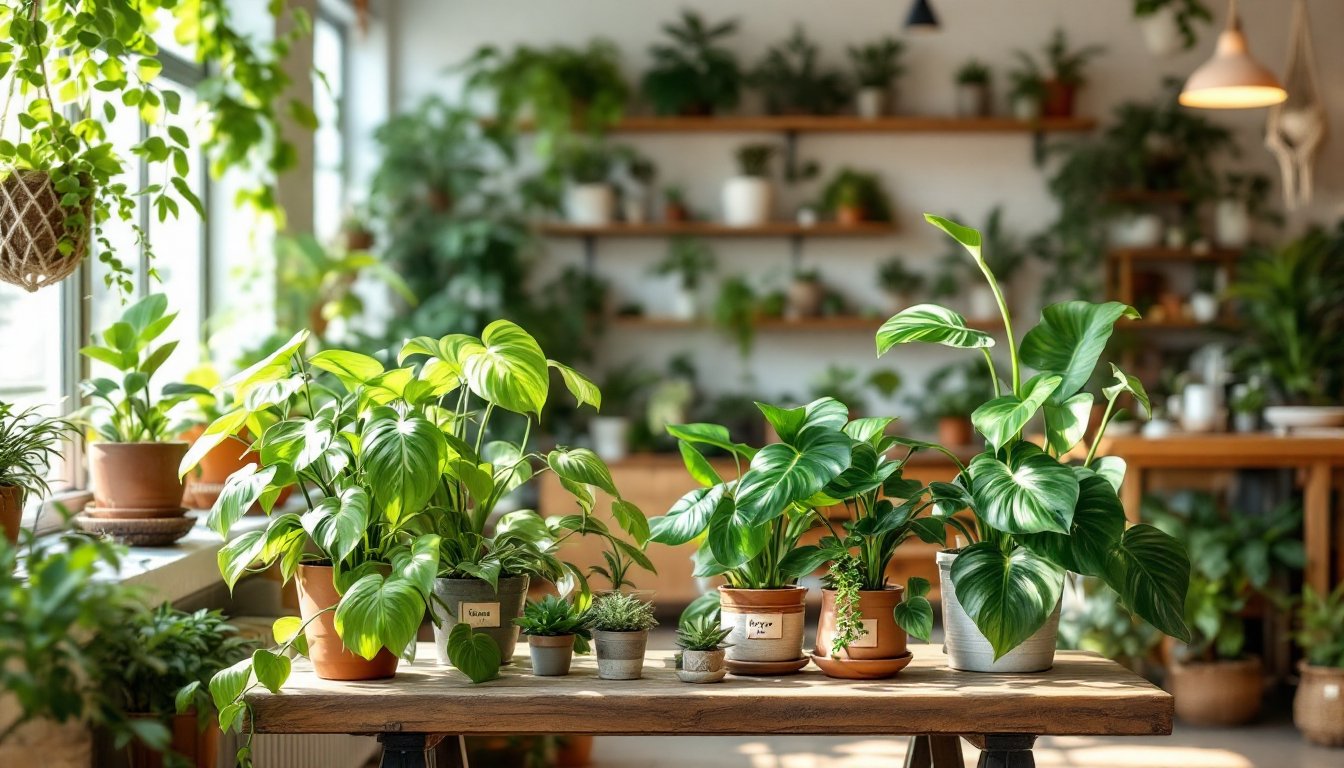
Buying indoor plants has never been easier, or more overwhelming. With hundreds of species available through online retailers, local nurseries, and big-box stores, knowing where to start can feel like navigating a jungle without a machete. Whether you’re furnishing a new home, freshening up a tired corner, or finally tackling that dark hallway, the right plant can transform a space from sterile to inviting. But not all plants are created equal, and not all sellers are worth your money. This guide cuts through the marketing fluff to help you find quality indoor plants for sale, avoid common rookie mistakes, and get the most green for your buck.
Table of Contents
ToggleKey Takeaways
- Indoor plants for sale improve air quality by removing VOCs like formaldehyde and benzene while boosting humidity and reducing stress.
- Shop smart by choosing between online retailers for variety, local nurseries for inspection and guarantees, or big-box stores for competitive prices on common species.
- Inspect foliage for firmness and discoloration, check root health by looking for white roots and avoiding dark or mushy ones, and ensure pots have drainage holes to prevent root rot.
- Popular beginner-friendly indoor plants include pothos, snake plants, and ZZ plants, which tolerate neglect and varied light conditions.
- Save money by propagating cuttings from existing plants, shopping seasonal sales, buying young plugs or bare-root specimens, and joining local plant swaps.
- Match plants to your actual light conditions rather than aspirational ones, and remember that healthy plant growth requires patience and willingness to learn from early failures.
Why Buying Indoor Plants Is a Game-Changer for Your Home
Indoor plants do more than fill empty shelf space. They actively improve air quality by filtering volatile organic compounds (VOCs) common in paint, flooring, and furniture off-gassing. Species like pothos, snake plants, and spider plants are workhorses for removing formaldehyde and benzene from indoor air, no HEPA filter required.
Beyond air purification, plants add humidity to dry indoor environments, especially helpful during winter months when forced-air heating drops relative humidity below comfortable levels. A cluster of leafy plants can raise humidity by 5-10%, reducing dry skin, static electricity, and respiratory irritation without running a humidifier 24/7.
There’s also the psychological payoff. Studies consistently show that visible greenery reduces stress, sharpens focus, and speeds recovery from mental fatigue. For home offices, a potted fern or philodendron isn’t just decor, it’s a low-cost productivity tool. Plants also soften hard surfaces like tile, concrete, and drywall, dampening echo and creating a more acoustically pleasant space. If you’re renovating or staging a home for sale, strategically placed plants make rooms feel larger, brighter, and more lived-in without the cost of new furniture.
Where to Find Quality Indoor Plants for Sale
Not all plant sellers are equal. Knowing where to shop, and what red flags to watch for, saves money and heartbreak.
Online Plant Retailers vs. Local Nurseries
Online retailers offer convenience and variety you won’t find at a neighborhood garden center. Specialty growers ship mature specimens, rare cultivars, and hard-to-find tropicals directly to your door, often with care instructions tailored to the species. Packaging has improved dramatically: most reputable sellers use breathable sleeves, moisture packs, and reinforced boxes to prevent transit damage. But, shipping stress is real. Plants may arrive droopy or shedding leaves, and you can’t inspect root health or pest issues before purchase. Factor in shipping costs, often $10-20 per plant, and online deals aren’t always as cheap as they appear.
Local nurseries and garden centers let you inspect plants before buying. You can check for pests, root-bound containers, yellowing foliage, and overall vigor. Staff can answer questions about light requirements and watering schedules specific to your local climate and indoor conditions. Many nurseries also guarantee their stock for 30-90 days, a safety net online sellers rarely offer. The downside? Selection is limited to what sells well locally, and prices run higher due to overhead costs.
Big-box home improvement stores (Lowe’s, Home Depot) stock common varieties at competitive prices, but quality varies wildly. Plants often sit in suboptimal light and get inconsistent watering from part-time staff. Inspect carefully: lift the plant to check for root rot, examine leaf undersides for pests, and avoid anything sitting in standing water. If you’re buying from a big-box, shop early in the week after fresh shipments arrive.
Grocery stores and boutiques occasionally carry trendy plants like succulents and snake plants, usually at inflated prices. These are impulse buys, not where serious plant buyers shop. Quality is hit-or-miss, and you’ll pay a premium for packaging and branding.
Most Popular Indoor Plants to Buy Right Now
Trends shift, but certain plants dominate the market for good reason: they tolerate neglect, adapt to varied light conditions, and look good doing it.
Pothos (Epipremnum aureum) remains a bulletproof choice for beginners. It thrives in low to bright indirect light, tolerates missed waterings, and grows aggressively, perfect for trailing from shelves or climbing a moss pole. Variegated varieties like ‘Marble Queen’ and ‘Njoy’ add visual interest without extra care.
Snake plants (Sansevieria trifasciata) are the cockroaches of the plant world, nearly indestructible. They tolerate low light, irregular watering, and dry air. Vertical growth makes them ideal for tight spaces like entryways and bathrooms. Look for varieties like ‘Laurentii’ (yellow-edged) or cylindrical ‘Cylindrica’ for architectural impact.
Monstera deliciosa (Swiss cheese plant) became an Instagram darling for its dramatic split leaves, but it’s more than a trend. Mature specimens can reach 6-8 feet indoors with proper support. They prefer bright indirect light and consistent moisture but bounce back from occasional neglect. Be aware: they grow fast and need space. Not ideal for small apartments unless you’re committed to pruning.
Fiddle-leaf figs (Ficus lyrata) remain popular even though their reputation for drama. They demand bright, consistent light and hate being moved. For many modern homes that blend farmhouse decor elements, they provide that statement-piece aesthetic. If your space lacks south or west-facing windows, skip the fiddle-leaf and choose something more forgiving.
ZZ plants (Zamioculcas zamiifolia) handle the darkest corners with grace. Their thick, waxy leaves store water, making them drought-tolerant and ideal for forgetful waterers. They grow slowly but steadily, requiring minimal intervention. Perfect for offices, basements, or north-facing rooms.
Succulents and cacti appeal to minimalists but often disappoint indoors. Most need intense direct light (4-6 hours daily) that typical home windows don’t provide. Without it, they etiolate, stretching toward light and losing compact form. If you love succulents, invest in a grow light or choose shade-tolerant varieties like haworthia.
What to Look for When Purchasing Indoor Plants
A healthy plant should look vigorous, not just alive. Start with the foliage: leaves should be firm, evenly colored, and free of brown edges, yellow spots, or white powdery residue (signs of disease or pests). Check leaf undersides and stem joints for spider mites, aphids, or mealybugs, tiny white cottony clusters are a dead giveaway for mealybugs.
Root health matters more than top growth. If possible, gently slide the plant from its pot. Roots should be white or light tan, firm, and spread throughout the soil. Dark, mushy, or foul-smelling roots indicate rot, walk away. Plants with roots circling the pot’s perimeter are root-bound and need repotting soon, but that’s manageable. Plants with sparse, weak roots may have been recently propagated and need more time to establish.
Inspect the soil and drainage. Quality potting mix should be loose, well-aerated, and slightly moist, not bone-dry or waterlogged. Plants sold in compact peat plugs often struggle after purchase because roots can’t penetrate dense media. Check for drainage holes in the pot. Decorative pots without drainage are fine for display but require an inner liner pot with holes to prevent root rot.
Consider plant size and maturity. Larger plants cost more but establish faster and make immediate visual impact. Smaller plants are budget-friendly and fun to grow but take patience. Be realistic about your timeline and space constraints. A 4-inch pothos will take two years to trail impressively: a 10-inch hanging basket delivers instant gratification.
Ask about acclimation. Plants grown in high-humidity greenhouses struggle when moved to dry homes. Reputable sellers harden off plants before sale, gradually exposing them to lower humidity and varied light. If buying from a greenhouse, expect some leaf drop as the plant adjusts. Resources like comprehensive home improvement guides often include detailed tips on acclimating new plants to indoor conditions.
Budget-Friendly Tips for Buying Indoor Plants
Quality plants don’t require a second mortgage. Start small and propagate. A single pothos or philodendron cutting rooted in water becomes a full plant in 4-8 weeks. Buy one mature plant, take cuttings, and multiply your collection for free. Propagation works for most vining plants, succulents, and many tropicals.
Shop seasonally. Nurseries discount stock at the end of growing season (late summer/early fall) to clear space for holiday inventory. Spring sales also offer deals as growers push out winter inventory. Avoid buying tropicals in winter if they’ll be shipped, cold damage is common and irreversible.
Buy bare-root or plugs if you’re patient. Young plants in 2-4 inch pots cost a fraction of mature specimens. You’ll need to repot within a few months, but that’s a $3 bag of potting mix and 10 minutes of work. If exploring curated plant collections, you’ll find options ranging from premium specimens to budget-friendly starter plants.
Join plant swaps and local groups. Facebook Marketplace, Nextdoor, and Craigslist teem with free or cheap plants from people downsizing, moving, or thinning overgrown collections. Quality varies, but you can score mature monstera, snake plants, and pothos for a fraction of retail cost. Inspect carefully for pests before bringing anything home.
Skip the fancy pot. Decorative ceramic and terracotta pots add $10-50 to the cost. Grow plants in nursery pots and drop them into budget planters from thrift stores or discount retailers. You can upgrade containers later without stressing the plant.
Buy multiples of cheap, fast-growing plants instead of one expensive statement piece. Three pothos in coordinating pots create more visual impact than a single $60 fiddle-leaf fig. Clustering plants also raises local humidity, benefiting the entire group.
Conclusion
Buying indoor plants is part research, part instinct, and part willingness to learn from the occasional brown leaf. Focus on healthy specimens from reputable sources, match plants to your actual light conditions, not aspirational ones, and don’t overthink it. Plants are resilient. Even if you kill a few early on, each failure teaches you something about watering, light, or soil that makes the next one thrive. Start small, buy smart, and enjoy the process.