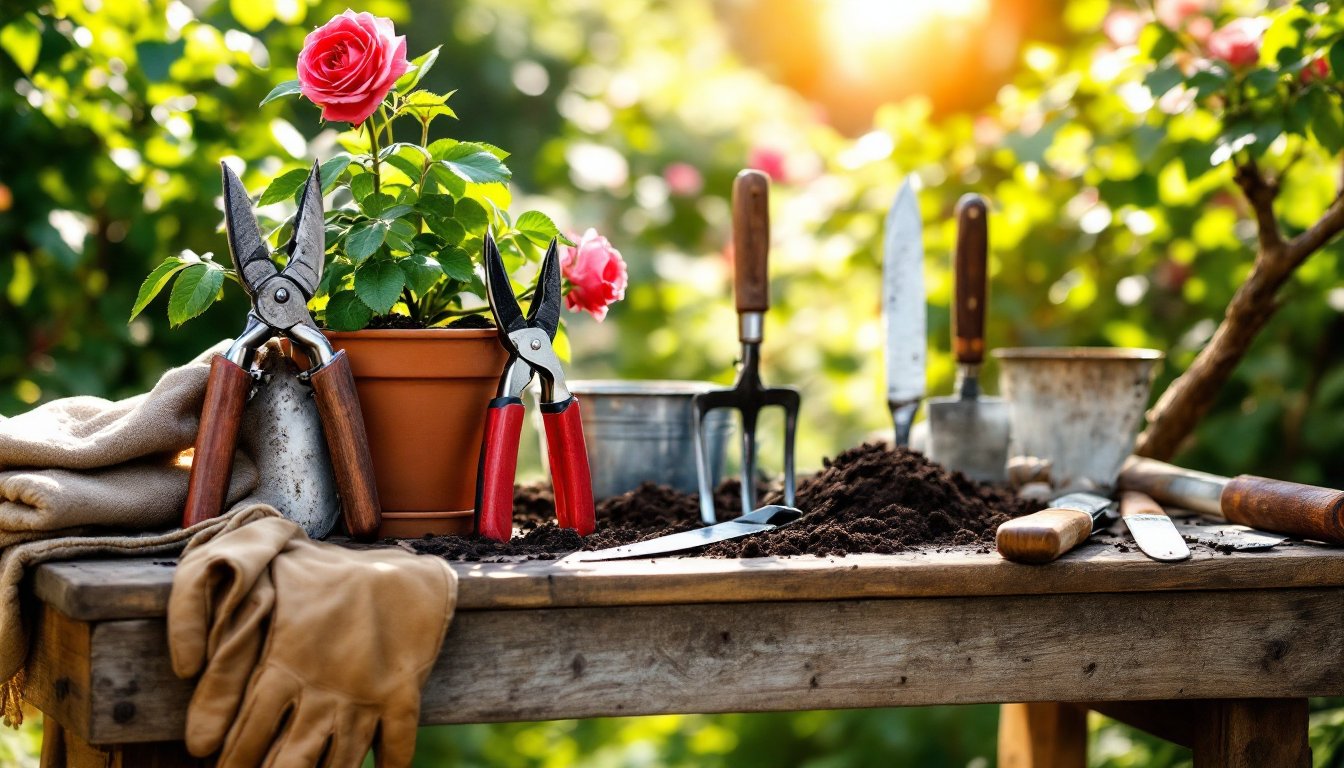
Every gardener knows the frustration of wrestling with a flimsy trowel that bends mid-dig or pruners that leave stems mangled instead of cleanly cut. Quality hand-held garden tools aren’t luxury purchases, they’re the difference between efficient, enjoyable work and a backache-filled afternoon that leaves more damage than progress. Unlike power equipment that stays in the shed for specialty jobs, hand tools go everywhere: weeding between delicate seedlings, deadheading roses, or carving out a new bed in rocky soil. This guide walks through the essentials every gardener should own, the specialized pieces worth adding as skills grow, and how to pick tools that’ll last decades instead of seasons.
Table of Contents
ToggleKey Takeaways
- Quality garden hand tools are essential investments that improve precision, prevent plant damage, and last decades longer than cheaper alternatives.
- Start with six core hand tools—trowel, bypass pruners, hand cultivator, garden fork, hori-hori knife, and hand pruning saw—which handle 90% of general gardening tasks.
- Match hand tools to your specific soil type, climate, and gardening style; clay soil demands forged steel while sandy loam tolerates mid-grade stainless steel.
- Proper maintenance including cleaning after each use, seasonal sharpening, and dry storage multiplies tool life by 5-10 times.
- Specialized tools like transplanting spades, soil scoops, and deadheading snips only warrant purchase when specific tasks justify the investment, avoiding unnecessary clutter.
- Common mistakes like using wrong tools for the job, ignoring sharpness, and leaving tools in damp areas cause premature failure and increased gardening effort.
Why Every Gardener Needs Quality Hand Tools
Power tools get the glory, but hand tools do the real work in most gardens. A tiller breaks ground once or twice a season: a trowel goes out every planting day. Hand tools offer precision power equipment can’t match, try edging around perennials with a string trimmer without casualties, or transplanting seedlings with a shovel.
Control and accuracy matter most in established beds. Hand pruners let gardeners make clean cuts at the precise node for healthy regrowth. A hand cultivator loosens soil around shallow-rooted plants without severing feeder roots the way a rototiller would. This precision prevents the collateral damage that sets plants back weeks.
Quality construction pays off quickly. Forged steel blades hold an edge through rocky soil that would dull stamped metal in days. Hardwood or fiberglass handles absorb shock better than hollow plastic, reducing hand fatigue during repetitive tasks. A $40 trowel that lasts twenty years costs less per use than replacing $8 versions every spring. Stainless steel resists rust without constant maintenance, critical for tools stored in damp sheds or left out overnight.
Hand tools also work in conditions where power equipment fails. They operate in tight spaces, on steep slopes, near irrigation lines, and in wet soil that would bog down or damage motorized gear. No extension cords, no fuel mixing, no winterizing, just grab and go.
Must-Have Garden Hand Tools for Beginners
Start with these six core pieces before adding specialty items. This lineup handles 90% of general garden tasks without redundancy.
Hand trowel: The workhorse for planting, transplanting, and digging in containers or beds. Look for a forged one-piece blade-and-shank design: welded joints fail under torque. A 6-inch blade suits most tasks. Blade width matters, narrow trowels (2 inches) excel in tight spaces, while wider versions (3+ inches) move more soil per scoop.
Bypass pruners: Essential for clean cuts on live stems up to ¾ inch diameter. Bypass blades (two sharpened edges that slide past each other like scissors) crush less tissue than anvil-style pruners, promoting faster healing. Carbon steel blades sharpen easily but require oiling: stainless versions trade edge retention for rust resistance. Quality pruning tools prevent the ragged cuts that invite disease.
Hand cultivator (3-prong claw): Breaks up surface crust, works in amendments, and uproots small weeds without disturbing deep roots. The tines should be rigid, not flexible, flimsy versions bounce off compacted soil instead of penetrating.
Garden fork (hand-held digging fork): Distinct from a cultivator, this tool has flat, sturdy tines for prying rocks, dividing perennials, and loosening compacted soil. A 4-tine fork with 6-inch tines handles most jobs. It’s the go-to for working around established plants where a spade would sever too many roots.
Hori-hori knife (soil knife): A Japanese design that’s half trowel, half knife. The serrated edge cuts through roots and sod: the straight edge digs and measures (most have inch marks etched on the blade). Invaluable for weeding tap-rooted dandelions or dividing crowded clumps. Carbon steel versions hold an edge longer but rust if not dried after use.
Hand pruning saw: For branches ¾ to 2 inches thick, the gap between what pruners can cut and where a chainsaw makes sense. Folding models protect the blade and fit in a pocket. Look for tri-edge or impulse-hardened teeth that cut on the pull stroke for better control.
Specialized Tools for Advanced Gardening Tasks
Once the basics are covered, these additions handle specific challenges more efficiently than improvising with general-purpose tools.
Transplanting spade: A narrow blade (4-5 inches wide, 10-12 inches long) slices cleanly around root balls without the soil disturbance of a standard spade. The reduced blade width creates less leverage stress on handles, but it’s not for breaking new ground, strictly for precision work like moving shrubs or dividing hostas.
Soil scoop: A deep, curved hand tool for mixing potting soil, scooping mulch, or filling containers. Holds 2-3 times the volume of a trowel with less spillage. Aluminum versions are lightweight: steel lasts longer. Not essential, but anyone who fills more than a few pots per season will appreciate the speed boost over a trowel.
Warren hoe: The triangular or heart-shaped blade works in tight rows where a standard hoe can’t fit. The pointed end creates furrows for seeding: the side edges cultivate close to plant stems. Skip this if row gardening isn’t part of the plan, but vegetable gardeners who plant in intensive beds find it indispensable.
Bulb planter: A cylindrical tool that removes a soil core, drops the bulb in, and replaces the plug, faster and more consistent than digging individual holes with a trowel. Available in short-handled (kneeling) and long-handled (standing) versions. Only worthwhile if planting 50+ bulbs annually: otherwise a trowel suffices.
Deadheading snips: Spring-loaded, compact shears for removing spent blooms without collateral damage to neighboring buds. Sharper and more precise than regular pruners for repetitive detail work on roses, dahlias, or zinnias. The small finger loops reduce fatigue during long deadheading sessions.
Cape Cod weeder: A narrow, angled blade designed to dig out weeds in cracks between pavers or along edges where a hoe won’t reach. More durable than a screwdriver (the common improvised substitute) and less likely to gouge surrounding surfaces.
How to Choose the Right Hand Tools for Your Garden
Generic advice to “buy quality” misses the point, a $60 trowel built for clay soil is wasted money in sandy loam. Match tools to actual conditions and tasks.
Assess soil type first. Heavy clay demands forged steel construction and reinforced shanks: lightweight aluminum tools bend or snap under the leverage needed to break dense clods. Sandy or loamy soil is less punishing, mid-grade stainless steel performs fine. Rocky soil calls for tools with tempered tips that resist chipping.
Handle length and grip matter more than most realize. Long handles (12+ inches) provide leverage for digging but are awkward in tight spaces. Short handles (6-8 inches) offer control in containers or crowded beds but require more trips when moving soil volume. Grip diameter should match hand size, test before buying if possible. D-grip handles suit larger hands: straight grips work better for smaller hands or prolonged detail work. Cushioned grips reduce blisters but trap moisture and degrade faster than bare wood or composite handles.
Blade material trades maintenance for performance. Carbon steel sharpens easily and holds a keen edge but rusts if stored damp. Stainless steel is low-maintenance but harder to sharpen and more prone to bending under stress. Titanium-coated tools resist rust and reduce soil adhesion but cost significantly more, only worth it for tools used in wet conditions or stored outdoors. For most gardeners, stainless steel strikes the best balance.
Weight distribution affects fatigue. Pick up the tool and extend it as if digging or cutting, does it feel balanced or tip-heavy? Blade-heavy tools tire hands quickly during repetitive use. A well-balanced trowel feels like an extension of the hand, not a weight hanging off it. Many <a href="https://npowerrenewables.com/home-depot-gardening-tools/”>gardening tools sold at big-box retailers offer reasonable quality at entry-level prices, but test the balance if buying in person.
Warranty signals manufacturer confidence. Lifetime warranties on forged blades are common among premium brands: absence of any warranty is a red flag. Read the terms, some cover only defects, not wear from normal use. Tools with replaceable parts (pruner blades, saw blades) extend functional life without replacing the entire tool.
Caring for and Maintaining Your Garden Hand Tools
Proper maintenance multiplies tool life by 5-10x. Most failures stem from neglect, not defects.
Clean after every use. Soil left on blades holds moisture against metal, accelerating rust and corrosion. A stiff brush or putty knife scrapes off mud in seconds. For dried-on clay, a quick hose-down or bucket dip loosens debris. Dry thoroughly, air-drying invites rust on carbon steel. A rag wipe takes five seconds and prevents hours of rehab work later.
Sharpen blades seasonally or when performance drops. A sharp trowel cuts roots cleanly instead of tearing: sharp pruners make one-squeeze cuts instead of requiring multiple chomps. Use a 10-inch mill file for hoes and spades (push strokes at a 20-25° angle, following the original bevel). Pruners and shears need finer treatment, a whetstone or diamond sharpener maintains the precise edge angle. Sharpen only the beveled side: touching the flat side creates a burr that dulls faster. Test sharpness on paper, clean cuts mean you’re done: ragged tears mean more passes needed.
Oil moving parts and blades. Pruner pivots and springs need light machine oil (3-in-1 or sewing machine oil) 2-3 times per season to prevent binding and rust. Wipe oil on carbon steel blades before storage, a thin coat stops oxidation without getting tacky. Linseed oil works for wooden handles: it soaks in and prevents drying and splitting. Avoid motor oil on handles: it stays greasy and attracts dirt.
Store properly. Hanging tools keeps blades off damp floors where rust forms overnight. A pegboard with outlined tool shapes makes it obvious what’s missing, nothing stays in the wheelbarrow to rust. Tools stored outdoors need extra protection: a weatherproof box or at minimum a tarp cover. Those who track tool use in a journal often notice maintenance patterns, for instance, pruners used weekly need monthly sharpening, while a transplanting spade used only in spring and fall might go two years between sharpenings.
Replace or repair worn components promptly. Loose handles cause blisters and inefficiency: re-wedge the handle or drive a new wedge into the eye. Split handles are safety hazards, replace them. Pruner springs and blades are inexpensive and user-replaceable: don’t discard the entire tool. Most manufacturers sell parts: generic replacements fit common models.
Common Mistakes to Avoid When Using Garden Hand Tools
Even experienced gardeners fall into bad habits that shorten tool life or create extra work.
Using the wrong tool for the job. A trowel isn’t a pry bar, levering rocks with it bends the blade or snaps the handle. Pruners don’t cut wire or thick branches beyond their rating: forcing them damages the blade edge and spring. Hoes aren’t choppers, swinging them like an axe into compacted soil loosens the head. When a task requires force beyond what a hand tool comfortably provides, switch to the appropriate tool or break the task into smaller steps.
Ignoring ergonomics and body mechanics. Kneeling directly on hard ground for extended weeding sessions damages knees: a comfortable kneeling pad or seat reduces strain and keeps gardeners working longer without injury. Gripping tools too tightly fatigues hands, a light, controlled grip is more efficient and less tiring. Repetitive overhead reaching with pruners strains shoulders: use a pole pruner or ladder for high branches.
Working with dull blades. A dull hoe bounces off weed stems instead of severing them, doubling effort. Dull pruners crush stems, creating entry points for disease and requiring multiple cuts. Dull trowels struggle through roots that a sharp edge would slice easily. The five minutes spent sharpening saves an hour of extra labor and frustration.
Skipping PPE. Leather or synthetic gloves prevent blisters, splinters, and cuts from thorns or sharp edges. Safety glasses protect eyes from flying debris when chopping roots or striking stones. Kneeling pads protect knees during prolonged ground-level work. These aren’t optional, cumulative minor injuries add up to chronic problems.
Mixing up bypass and anvil pruners. Bypass pruners suit live wood: the scissor action makes clean cuts that heal quickly. Anvil pruners (one blade crushing against a flat surface) work better on dead wood where clean cuts don’t matter. Using an anvil pruner on live stems crushes vascular tissue and slows healing. Match the tool type to the material.
Leaving tools outside or in damp areas. One overnight rainstorm on a carbon steel blade starts rust that spreads quickly. Morning dew in a shed does the same over weeks. Always bring tools in or store them in a dry location. A simple tool maintenance routine prevents most storage-related damage.
Conclusion
Building a functional gardening hand tools kit doesn’t require buying everything at once or spending a mortgage payment. Start with the six core pieces, buy the best quality budget allows, and add specialized tools only when specific tasks justify them. Quality construction and regular maintenance turn hand garden tools into decades-long investments that improve with use rather than wearing out after a season. The right toolkit makes the difference between gardening feeling like a chore and flowing like second nature.