Ever tried to remember where you planted those elusive heirloom tomatoes? Or maybe you’ve wondered why last year’s petunias were such drama queens? Enter the gardening journal, your new best friend in the backyard. This little gem can turn your gardening mishaps into masterpieces, helping you keep track of what blooms, what doesn’t, and everything in between. Let’s dig deeper into the world of gardening journals, trust me, your garden will thank you.
What Is a Gardening Journal?
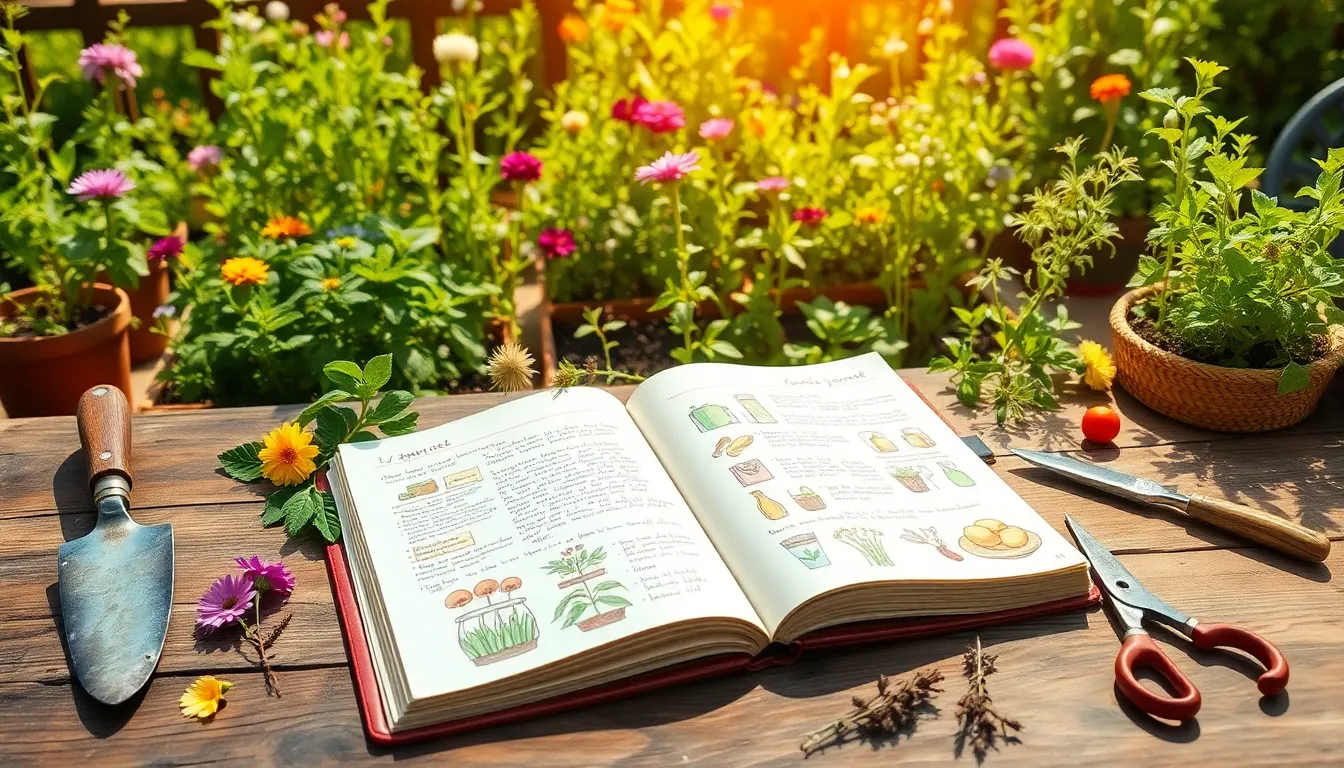
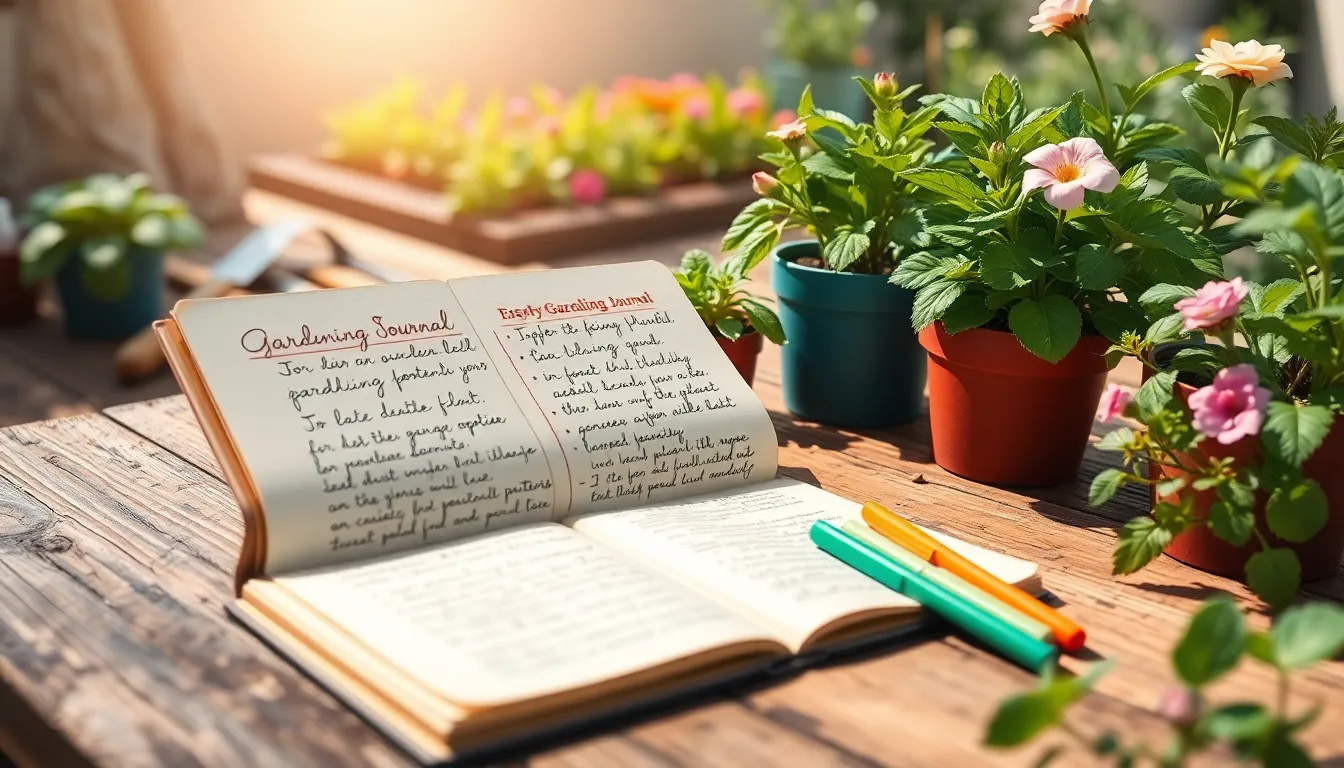
A gardening journal is a dedicated space where gardeners can document all aspects of their gardening journey. Picture it as a blend of a diary, planner, and scrapbook, where notes on planting dates, weather patterns, and even challenges faced can live in harmony. Each entry serves as a historical record, becoming a treasure trove of knowledge that can aid future gardening efforts. From seed selection to harvest results, every detail is captured, turning your gardening experience from trial-and-error to success.
Benefits of Keeping a Gardening Journal
Why should someone bother with a gardening journal? The benefits are abundant. Firstly, it enhances planning and organization, helping gardeners remember what they planted, when, and where. Secondly, it can lead to increased productivity: noting what worked well and what didn’t helps optimize future planting. Thirdly, it fosters creativity. With a dedicated journal, gardeners can sketch layout ideas, jot down color combinations, or dream up future projects. Also, it can serve as a stress-reliever, allowing individuals to immerse themselves in the therapeutic practice of writing and reflecting on their garden.
How to Start Your Gardening Journal
Getting started with a gardening journal is easier than one might think. First, choose a format that resonates, be it a physical notebook or a digital app. Next, select a comfortable writing space where ideas can flow uninterrupted. It’s a good idea to date each entry to create a timeline of progress. Initially, focus on simple observations, what seeds were planted, weather conditions, and any pests encountered. As the gardening season progresses, entries can evolve to include more complex thoughts and intricate details about plants and their care. Gradually, the journal will be a rich narrative of growth.
Key Elements to Include in Your Gardening Journal
So, what should gardeners jot down in this essential log? Here are some key elements:
Planting Details
Document the types of seeds or plants, planting dates, and their specific locations in the garden.
Weather Records
Notes on weather conditions can be instrumental, rainfall levels, temperature highs and lows, and sunlight hours all make a difference.
Growth Observations
Track how plants change over time: this includes growth rates, blooming times, and any signs of distress.
Pests and Problems
Detail any pest issues or diseases faced, and record the measures taken to combat them.
Harvest Records
Keep track of harvest amounts and dates, which aids in future yield estimations.
Tips for Maintaining Your Gardening Journal
Consistency is key when it comes to a gardening journal. Set aside time, ideally weekly, to update entries. Use photos as visual aids: snapping pictures of progress not only makes the journal more engaging but also provides a visual timeline of growth. Don’t hesitate to express creativity, if exciting new ideas spark during gardening adventures, write them down. Also, it’s perfectly okay to have sections designated for brainstorming: just think of them as blank canvases for future inspiration.
Digital vs. Traditional Gardening Journals
The debate between digital or traditional journals often comes down to personal preference. Digital journals have the advantage of accessibility: many apps can sync across devices, making it easy to update on the go. They often feature prompts and reminders that can help keep the gardener on track. On the other hand, traditional paper journals can create a personal touch, evoking nostalgia and enabling a tactile experience that some prefer. The act of writing by hand has proven benefits for memory retention, which can be a hefty advantage in gardening. Eventually, the best choice is whatever method makes maintaining that journal feel fun and rewarding.