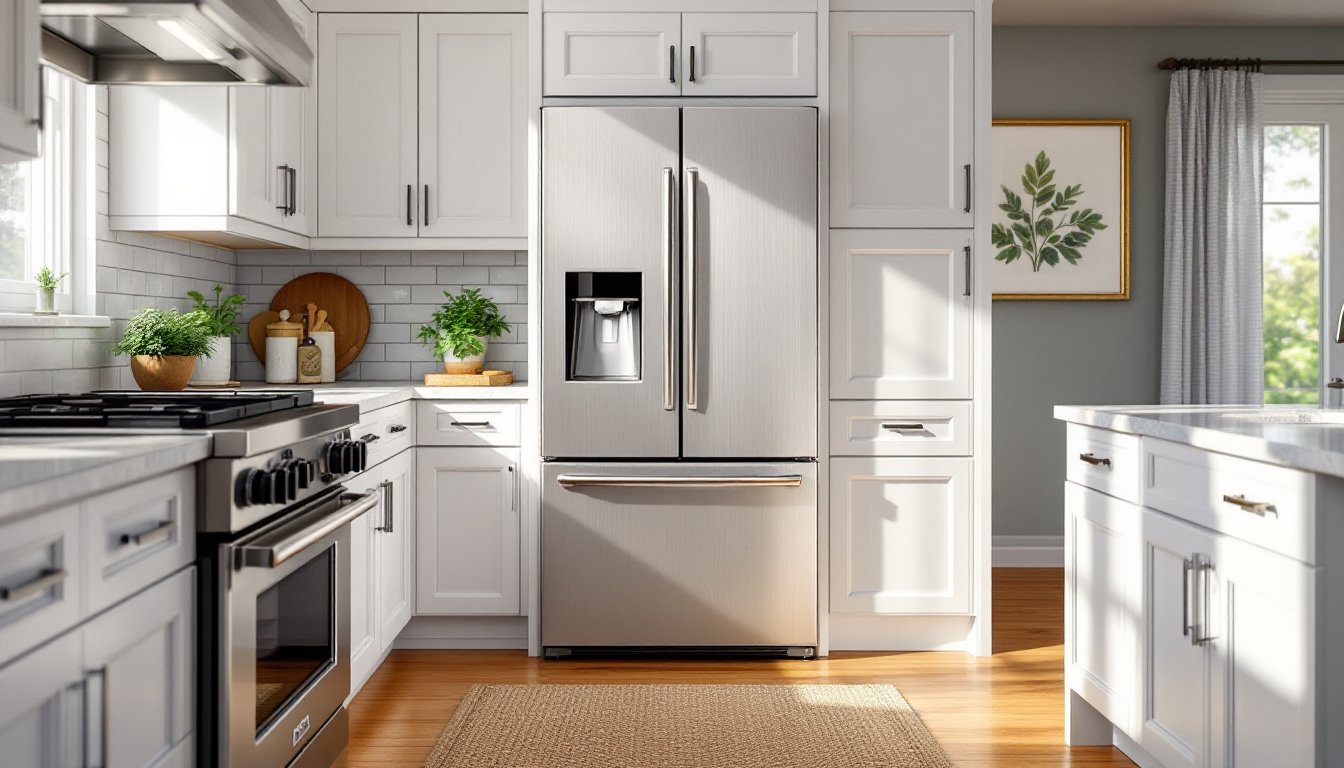
Shopping for a premium refrigerator means balancing aesthetics, functionality, and long-term reliability. Jenn-Air stainless steel refrigerators sit at the intersection of luxury design and serious performance, built for homeowners who want commercial-grade cooling without sacrificing kitchen style. Whether you’re renovating a dated kitchen or upgrading from a builder-grade appliance, understanding what sets Jenn-Air apart (and what to watch for during installation) can save both frustration and money. This guide walks through the features, models, and maintenance steps that matter most when investing in a Jenn-Air refrigerator.
Table of Contents
ToggleKey Takeaways
- Jenn-Air stainless steel refrigerators combine luxury design with professional-grade cooling performance, including dual evaporators and precision temperature control that prevent freezer burn and temperature swings.
- Panel-ready and built-in Jenn-Air models eliminate the protruding-box look while requiring precise measurements within 1/8 inch for custom cabinet panels to align properly.
- Advanced features like Obsidian glass interiors, Wi-Fi connectivity, variable-speed compressors, and Produce Preserver technology justify the $3,000–$10,000+ investment for homeowners undertaking premium kitchen renovations.
- Proper installation demands careful planning: verify rough-in dimensions, reinforce flooring for 350–450 pound loads, run water supply lines with compression fittings beforehand, level the unit carefully, and install anti-tip brackets.
- Routine maintenance—including cleaning condenser coils every six months, replacing water filters, testing door seals annually, and wiping stainless steel with the grain—extends the refrigerator’s lifespan to 15+ years and protects warranty coverage.
Why Choose a Jenn-Air Stainless Steel Refrigerator for Your Kitchen
Jenn-Air has carved out a reputation in the luxury appliance market by prioritizing design flexibility and professional-grade components. Unlike mainstream brands that focus on budget-conscious features, Jenn-Air targets homeowners willing to pay for panel-ready options, integrated handles, and precision temperature control.
Stainless steel construction isn’t just about looks. The material resists fingerprints better than lower-grade finishes (though no stainless is truly smudge-proof), and it integrates seamlessly with high-end ranges, dishwashers, and vent hoods. If your kitchen remodel includes commercial-style appliances or custom cabinetry, Jenn-Air’s flush-mount and built-in models eliminate the protruding-box look common with freestanding units.
From a performance standpoint, Jenn-Air refrigerators typically include dual evaporators, variable-speed compressors, and precise humidity controls, features that extend produce life and prevent freezer burn. These aren’t cosmetic upgrades. They address common complaints about temperature swings and uneven cooling in standard refrigerators.
That said, Jenn-Air isn’t the right fit for every kitchen. Expect to pay $3,000–$10,000+ depending on size and configuration (prices vary significantly by region and dealer incentives). Installation often requires cabinet modifications, and some models need a dedicated water line with shut-off valve access. If your kitchen layout doesn’t accommodate a 36-inch or 42-inch built-in, you’ll be limited to fewer model options.
Top Features That Set Jenn-Air Refrigerators Apart
Jenn-Air differentiates itself through engineering details that home improvement enthusiasts can measure and test. Here’s what actually moves the needle:
Panel-ready and integrated designs: Most Jenn-Air models accept custom cabinet panels, letting you match existing cabinetry grain and finish. This requires precise measurements, panels must align within 1/8 inch to avoid visible gaps. If you’re ordering panels separately, confirm hinge clearances and handle placement before cutting.
Obsidian interior: Jenn-Air uses a dark, glass-lined interior instead of traditional white plastic. It’s easier to spot spills and food items, and the non-porous surface resists odor absorption. But, scratches show more readily than matte finishes, so avoid abrasive cleaners.
LED lighting with theater-style dimming: Multi-point LED arrays eliminate the dark corners common in bottom-drawer produce bins. Some models include motion-activated lighting that gradually brightens as you approach, useful during late-night kitchen trips, though it does pull standby power.
Wi-Fi connectivity and app control: Newer Jenn-Air refrigerators integrate with home automation systems for remote temperature adjustments and maintenance alerts. While many luxury kitchen appliances now offer connectivity, Jenn-Air’s app also tracks filter life and compressor runtime, helpful data if you’re troubleshooting performance issues or planning service calls.
Advanced Temperature Management Systems
Jenn-Air’s dual-evaporator systems separate refrigerator and freezer airflow, preventing the dry, freezer-air intrusion that causes produce to wilt. Each compartment maintains independent humidity levels: the fridge holds 37–38°F with higher humidity, while the freezer stays at 0°F with dry air to prevent ice crystals.
Variable-speed compressors adjust cooling output based on door openings, load changes, and ambient temperature. This reduces the on-off cycling that causes temperature spikes in single-speed systems. You’ll hear less compressor noise overall, though initial ramp-up can produce a low hum for 10–15 seconds.
Produce Preserver technology uses a filter to absorb ethylene gas, the ripening agent that causes fruits and vegetables to spoil faster. Replace this filter every six months (it’s separate from the water filter). If you notice bananas browning within two days or lettuce wilting quickly, a spent Produce Preserver filter is often the culprit.
Popular Jenn-Air Stainless Steel Refrigerator Models in 2026
As of early 2026, three Jenn-Air configurations dominate kitchen remodels and new construction projects:
JennAir JBZFL36IGX (36-inch Built-In French Door): This panel-ready model fits standard 36-inch cabinet openings and offers 20.5 cubic feet of storage. The bottom freezer includes a slide-out drawer with adjustable dividers. Rough-in depth is 24 inches, which works for most custom cabinet builds but may require a filler strip in shallower installations. Expect full-depth installation to add 2–3 inches beyond standard counter depth.
JennAir JBFFS36NHM (36-inch Freestanding French Door): If you don’t have built-in cabinet space, this freestanding option delivers similar cooling performance without requiring custom panels. It includes a finished stainless steel back and sides, so it can sit flush against a wall or between cabinets. The tradeoff: you lose the seamless, integrated look and gain about 4 inches of protrusion beyond counter depth.
JennAir JBSFS42NHM (42-inch Side-by-Side): Built for larger kitchens, this model provides 25.5 cubic feet and equal fridge-freezer split. The side-by-side configuration reduces bending for freezer access, but vertical storage for pizza boxes or large platters is limited compared to French-door layouts. Width requires a 42-inch minimum opening, measure diagonally if you’re moving it through doorways or around kitchen islands.
All three models include the dual-evaporator system and Obsidian interiors. Water and ice dispensers (when equipped) require a 1/4-inch copper or braided stainless supply line rated for at least 40 psi. Avoid using saddle valves, they’re prone to leaks and restricted flow. Install a proper tee fitting with a dedicated shut-off valve.
Installation Tips for Your Jenn-Air Refrigerator
Installing a built-in or panel-ready Jenn-Air isn’t a one-person job, and it’s not something to rush through on a Saturday morning. Here’s what to plan for:
1. Verify rough-in dimensions: Jenn-Air provides detailed spec sheets for each model. Confirm your cabinet opening width, height, and depth, then double-check that measurements account for door swing and handle clearance. Built-in models need 1/2 inch on each side for air circulation. If you’re tight on space, you may need to trim cabinet sides or adjust filler strips.
2. Reinforce flooring if needed: Fully loaded, a 36-inch Jenn-Air refrigerator weighs 350–450 pounds. If your kitchen has older vinyl flooring or engineered wood, confirm the subfloor can handle concentrated point loads. For installations on second floors, consider consulting a structural engineer if joists span more than 12 feet without blocking.
3. Install the water line before positioning the unit: Run your 1/4-inch supply line to the back of the cabinet opening, leaving 3–4 feet of slack for future service access. Use compression fittings, no solder near finished cabinets. Test for leaks under pressure before pushing the refrigerator into place.
4. Level front-to-back and side-to-side: Jenn-Air refrigerators have adjustable front leveling legs and rear rollers. Use a 4-foot level across the top and check both axes. An out-of-level unit causes doors to swing open, interferes with ice maker function, and can trigger error codes on models with electronic controls.
5. Attach anti-tip brackets: Built-in models include brackets that anchor to the floor or cabinet sides. These prevent the unit from tipping forward when fully loaded door bins pull the center of gravity outward. It’s a 10-minute step that avoids a dangerous (and expensive) accident.
If you’re retrofitting a freestanding refrigerator space for a built-in model, you may need to relocate electrical outlets. Most jurisdictions require a dedicated 15-amp circuit within 6 feet of the appliance, per NEC guidelines. Check local codes before cutting into walls.
Maintenance and Care for Long-Lasting Performance
High-end refrigerators deliver long-term value only when you follow the maintenance schedule. Skipping these steps voids some warranty claims and leads to avoidable service calls.
Clean condenser coils every six months: Built-in Jenn-Air models vent through the toe kick or top grille. Dust buildup on condenser coils forces the compressor to work harder, raising energy consumption and shortening component life. Use a coil brush and shop vacuum to remove lint and pet hair. If you have shedding pets or live in a dusty area, clean coils quarterly.
Replace water filters every six months: Jenn-Air uses proprietary filter cartridges (model numbers vary by refrigerator series). Expired filters reduce water flow, cause ice maker jams, and allow sediment into the dispenser. Mark the installation date on the filter housing with a grease pencil, don’t rely on app reminders alone.
Test door seals annually: Close a dollar bill in the door and try to pull it out. If it slides free with minimal resistance, the gasket needs replacement. Worn seals let warm, humid air into the fridge, forcing the compressor to cycle more frequently. Replacement gaskets cost $80–$150 depending on model, and installation takes about 30 minutes with a Phillips screwdriver.
Defrost the ice maker if production drops: Even “frost-free” systems can develop ice dams in the maker assembly. If your ice maker produces hollow cubes or stops entirely, remove the bin and let the assembly air-dry for 4–6 hours. Pouring hot water over ice maker components can crack plastic housings, resist the temptation.
Wipe down stainless steel with the grain: Use a microfiber cloth and either dedicated stainless cleaner or a 1:1 mix of white vinegar and water. Wipe in the direction of the grain to avoid streaks. Avoid ammonia-based glass cleaners, they leave a hazy film on brushed stainless finishes.
For homeowners exploring broader renovations, resources like The Kitchn and Houzz offer kitchen layout ideas and contractor recommendations that pair well with high-end appliance installations.
Conclusion
A Jenn-Air stainless steel refrigerator represents a significant investment, one that pays off when you match the model to your kitchen layout, install it correctly, and stay on top of routine maintenance. Whether you choose a built-in French door, freestanding configuration, or wide-body side-by-side, the key is planning for proper rough-ins, verifying measurements twice, and not skipping prep work. Done right, you’ll have a centerpiece appliance that delivers professional-grade performance for 15+ years.