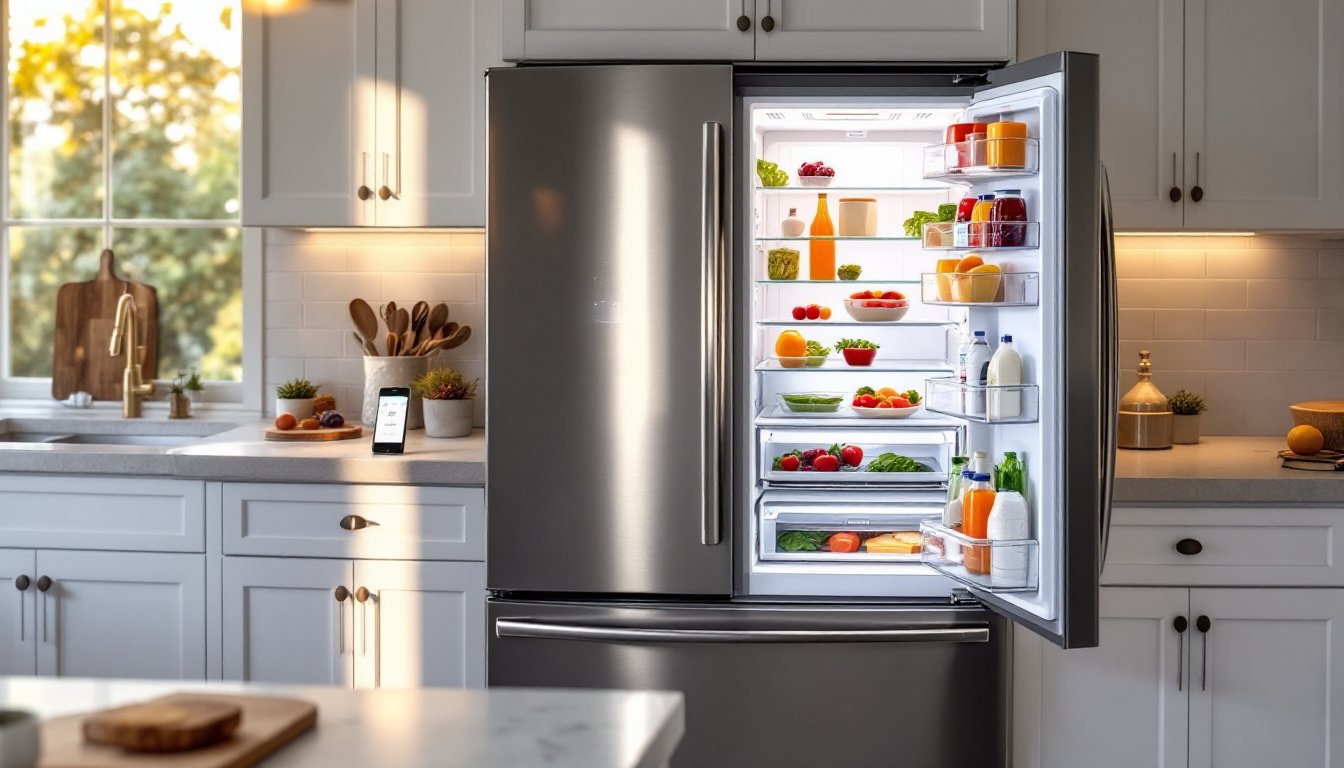
If you’re renovating your kitchen or replacing a dying appliance, Hisense refrigerators probably caught your eye, and your budget. This Chinese electronics giant has quietly carved out a foothold in the U.S. appliance market by undercutting major brands on price while loading up on features that used to be premium-only territory. But can a brand known for budget TVs really deliver on something as critical as food storage? The short answer: mostly yes, with some caveats worth understanding before you buy. This review breaks down what Hisense offers, where they excel, and where they fall short compared to established names.
Table of Contents
ToggleKey Takeaways
- Hisense refrigerators deliver premium features like multi-zone temperature control and smart app connectivity at budget-friendly prices ($800–$2,200), typically costing 40–50% less than comparable brands.
- Energy Star-certified models with inverter compressors run quietly and cost only $50–$65 annually to operate, making them an efficient choice for budget-conscious homeowners.
- Service availability is the main drawback—Hisense relies on third-party contractors with inconsistent parts availability, particularly problematic outside major metro areas.
- Ice maker reliability varies by installation; water pressure issues are common, but an inexpensive inline pressure regulator often resolves jamming and slow production problems.
- Compared to competitors like GE and LG, Hisense refrigerators maximize features and usable interior space per dollar, though they lack the brand recognition and resale value of established manufacturers.
- Hisense is an excellent budget option for renters, first-time homeowners, and kitchen remodelers who prioritize modern conveniences and value over long-term brand prestige.
Who Is Hisense and What Do They Offer?
Hisense Group was founded in 1969 in Qingdao, China, and has grown into one of the world’s largest electronics manufacturers. They entered the U.S. refrigerator market in the early 2010s, initially through partnerships with major retailers like Lowe’s and Home Depot. By 2026, they’ve expanded their lineup to include French door models, side-by-sides, top-freezers, and bottom-freezers ranging from compact 18-cubic-foot units to spacious 27-cubic-foot configurations.
Their current catalog focuses heavily on counter-depth French door models with built-in ice makers, water dispensers, and app-connected smart features. The Pureflat series represents their flagship line, featuring flush-mount installation that sits even with standard cabinetry, a design feature that typically costs hundreds more from brands like KitchenAid or Samsung. Pricing generally falls between $800 and $2,200 depending on capacity and features, positioning them squarely in the budget-to-midrange category.
What’s notable about Hisense is their vertical integration. They manufacture their own compressors, control boards, and even some refrigerant systems in-house, which helps keep costs down but also means repair parts can be harder to source through independent technicians. Most units carry a 1-year full warranty plus a 10-year sealed system warranty covering the compressor and refrigerant loop.
Key Features That Set Hisense Refrigerators Apart
For the price point, Hisense packs in features that would’ve been luxury-tier five years ago. The Multi-Air Flow system uses multiple vents to circulate cold air evenly across all shelves, reducing the temperature variance that causes freezer burn or wilted produce. In testing, their French door models maintain temps within ±2°F of the setpoint, which is competitive with units costing twice as much.
Their My Fresh Choice zone is a customizable drawer with dedicated temperature controls ranging from 29°F for soft-freeze (ideal for deli meats) up to 42°F for produce. It’s controlled via touch panel on the exterior, not buried in a menu system. This kind of flexibility used to be exclusive to high-end brands, but Hisense builds it into models under $1,500.
The ConnectLife app (available for iOS and Android) lets homeowners monitor internal temps, adjust settings remotely, and receive alerts if the door’s left open. It’s not as polished as LG’s ThinQ or Samsung’s SmartThings ecosystems, notifications can lag by a minute or two, but it works reliably once connected to a 2.4GHz Wi-Fi network (5GHz isn’t supported on older models). Many smart refrigerators now include similar features, and Hisense delivers them without the premium markup.
Energy efficiency is another standout. Most Hisense models carry an Energy Star certification, with annual operating costs averaging $50–$65 based on the national average of $0.16/kWh. Their inverter compressors ramp speed up and down based on cooling demand rather than cycling on/off, which cuts energy use by roughly 15–20% compared to traditional compressors.
Pros and Cons of Choosing a Hisense Refrigerator
The Advantages: Why Homeowners Love Hisense
The biggest draw is value. A 25-cubic-foot French door model with water/ice dispenser, smart features, and counter-depth design runs around $1,400, roughly half what you’d pay for a comparable Bosch or Café unit. That pricing makes sense for rental properties, first-time homeowners, or anyone doing a budget kitchen remodel who doesn’t want to sacrifice modern conveniences.
Build quality on newer models (2024 forward) has noticeably improved. Door gaskets seal tightly, shelves are tempered glass rather than flimsy plastic, and the stainless steel finish resists fingerprints better than older generations. The LED lighting is bright and well-placed, including strips along the side walls that eliminate dark corners.
Noise levels are impressively low. The inverter compressor runs at a near-silent hum most of the time, only becoming audible during defrost cycles or when the ice maker refills. If your kitchen opens to a living area, this matters more than you’d think, some budget brands sound like a diesel engine at idle.
Installation is straightforward for anyone comfortable with basic plumbing. The water line connection uses a standard 1/4-inch compression fitting, and the leveling legs adjust easily with a wrench. Most units are light enough (under 300 pounds) that two people can maneuver them into place without a dolly, though counter-depth models require precise measurement to achieve that flush look.
The Drawbacks: What to Watch Out For
Service network is the Achilles’ heel. Hisense relies heavily on third-party repair contractors rather than a dedicated in-house service team. If you live outside a major metro area, finding a technician familiar with their systems can take days or weeks. Parts availability is improving but still lags behind LG or Whirlpool, expect longer lead times if a control board or evaporator fan fails.
Ice maker reliability remains inconsistent. Some owners report flawless operation for years, while others deal with jams, slow production (especially in hot climates), or cubes that clump together. The issue seems tied to water pressure: Hisense recommends a minimum of 20 psi at the supply line, but many homes run closer to 40–60 psi, which can overwhelm the fill valve. Installing an inline pressure regulator often solves this, but it’s an extra $15–$25 expense.
Shelving layout isn’t as customizable as premium brands. The fixed glass shelves can’t slide forward or split, which makes storing tall items like gallon jugs awkward. Door bins are also shallower than competitors, so they won’t hold gallon-sized milk containers upright in some models, check the spec sheet if that’s a dealbreaker.
Resale value takes a hit. Hisense doesn’t carry the brand cachet of Sub-Zero or even GE Profile, so if you’re planning to sell your home within a few years, a recognizable name might add more perceived value to buyers. This matters less if you’re staying put or prioritizing function over brand prestige.
How Hisense Compares to Other Budget-Friendly Brands
Against Frigidaire, Hisense wins on features but loses slightly on service network. Frigidaire has wider parts availability through Electrolux’s established channels, but their budget models lack the smart connectivity and multi-zone drawers Hisense includes as standard. Price-wise, they’re nearly identical for similar capacities.
GE (non-Profile) offers better brand recognition and a more robust warranty service infrastructure, especially in rural areas. But, their entry-level French door units typically cost $200–$400 more than comparable Hisense models and often omit features like app control or adjustable temperature zones. If peace of mind from a household name matters more than cutting-edge features, GE edges ahead.
LG’s budget tier (think the LRFCS series) competes directly with Hisense’s mid-range offerings. LG’s linear compressors are quieter and arguably more durable, backed by a stronger 10-year parts and labor warranty on the sealed system. But LG charges a premium for that reliability, expect to pay 20–30% more. For homeowners who view appliances as long-term investments, that gap might be worth it. For flippers or renters, Hisense delivers more features per dollar.
Samsung’s budget models match Hisense on tech features but have earned a mixed reputation for reliability, particularly with ice makers and compressor failures in older units. Samsung’s SmartThings integration is slicker than ConnectLife, but their entry-level fridges often sacrifice interior space for exterior styling. Hisense tends to maximize usable cubic footage within the same footprint.
One overlooked competitor is Insignia (Best Buy’s house brand, also manufactured by Hisense in many cases). If you see an Insignia fridge with nearly identical specs to a Hisense model, they’re often built on the same assembly line with minor cosmetic differences. Pricing can vary by $50–$100 depending on retailer promotions, so comparing both is worth the effort.
Conclusion
Hisense refrigerators are a solid choice for homeowners prioritizing features and value over brand prestige. They won’t impress appliance snobs, but they’ll keep your food cold, your utility bills reasonable, and your wallet heavier than it would be with a premium nameplate. Just factor in potential service delays and ice maker quirks when making your decision.