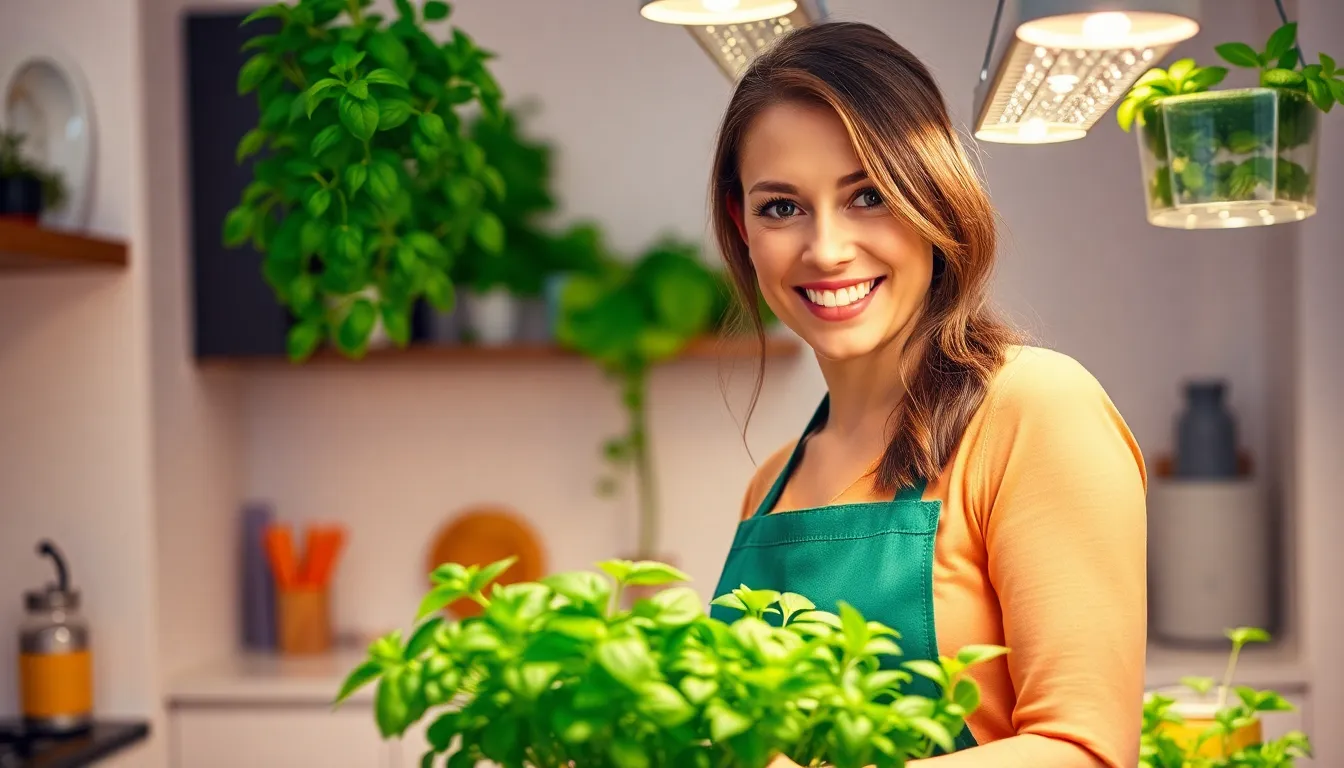
Imagine stepping into your kitchen and plucking fresh basil straight from your countertop. With hydroponic gardening at home, this dream can become a reality. No dirt. No mess. Just a little water, some nutrients, and a whole lot of green goodness. Whether you’re a seasoned gardener or a complete novice, growing your own food has never been easier or more entertaining.
Overview of Hydroponic Gardening at Home
Hydroponic gardening transforms the way individuals grow plants indoors. This method requires no soil, allowing for cleaner and more efficient cultivation of various crops. With hydroponics, users control nutrient delivery directly to the roots of plants, promoting faster growth and higher yields.
Several popular hydroponic systems exist, including nutrient film technique (NFT), deep water culture (DWC), and aeroponics. NFT uses a thin film of nutrient-rich water flowing over plant roots, while DWC suspends plants in oxygenated water. Aeroponics involves misting plant roots with nutrients, ensuring they receive ample oxygen.
Essential components include a reservoir, growing medium, and a pumping system. Reservoirs hold the nutrient solution, providing plants with necessary water and minerals. Many folks choose inert mediums, such as coconut coir or rock wool, which support plant structure without adding nutrients. Pumping systems circulate the solution, ensuring consistent access for the plants.
Beginner gardeners find numerous benefits in hydroponic setups. Space usage maximizes yields in small areas, making this method ideal for apartments or homes with limited outdoor space. Maintenance is generally straightforward, requiring minimal effort compared to traditional gardening methods.
Cost considerations remain important as well. Initial investments for hydroponic systems may vary but typically include components like grow lights, pumps, and nutrient solutions. Long-term savings on water and fertilizers often offset initial costs.
Gardeners of all skill levels engage in this gardening method, enjoying the satisfaction of fresh produce. Growing herbs and vegetables at home through hydroponics offers not just convenience but also a rewarding experience.
Benefits of Hydroponic Gardening
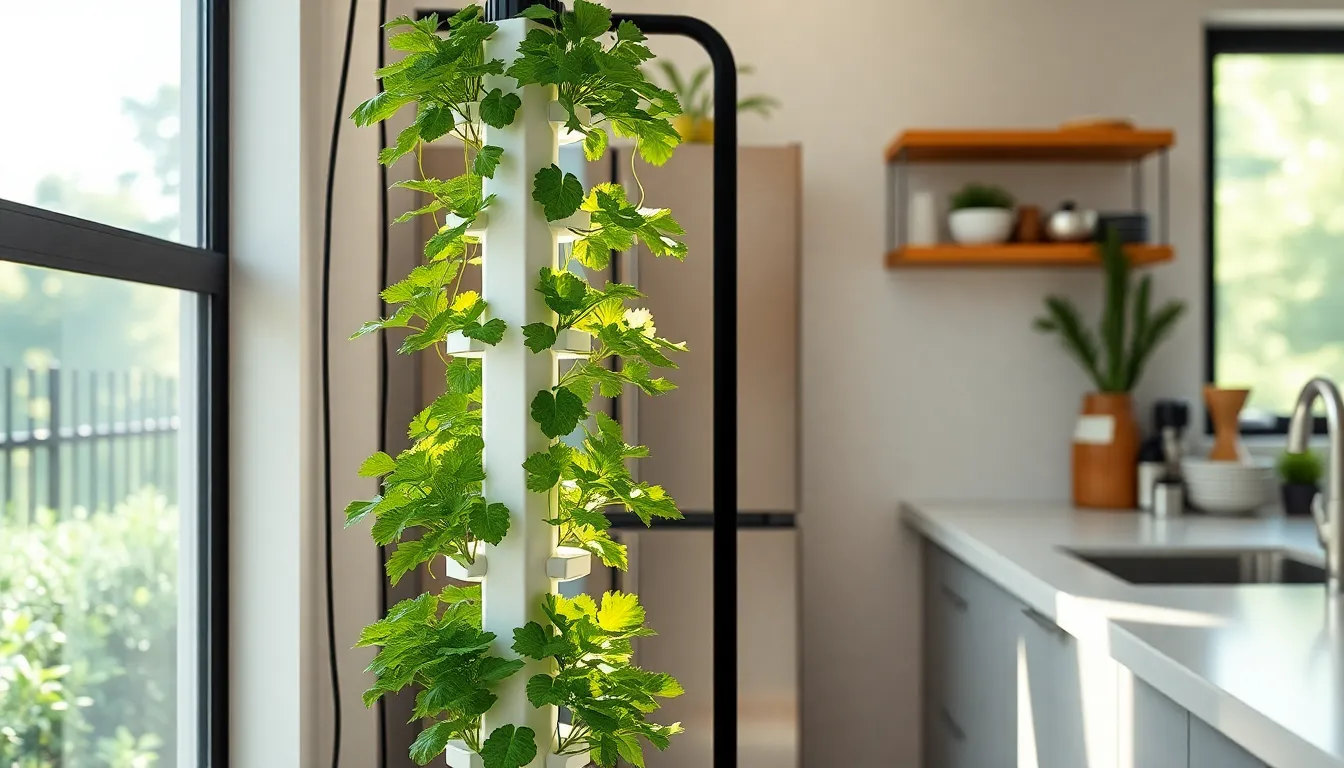
Hydroponic gardening offers multiple benefits, making it an appealing choice for home gardeners.
Space Efficiency
Space efficiency is a major advantage of hydroponic gardening. Small areas can yield substantial amounts of produce, allowing individuals with limited indoor or outdoor spaces to grow food effectively. Tower systems and vertical garden setups maximize the use of vertical space, supporting plant growth without requiring extensive floor space. This method doesn’t rely on traditional soil gardens which need more room for planting. Hydroponic systems can fit into kitchens, balconies, or even basements, making fresh produce accessible anywhere.
Faster Growth Rates
Faster growth rates often accompany hydroponic gardening systems. Controlled environments facilitate quicker nutrient absorption, prompting plants to grow up to 30% faster compared to soil-based methods. Precise control over nutrients ensures plants receive optimal levels for ideal growth, minimizing the risk of nutrient deficiencies. Additionally, no soil means fewer pests and diseases, allowing plants to flourish unhindered. With regular monitoring and adjustments, growers can achieve impressive crop cycles and enjoy continuous harvests throughout the year.
Types of Hydroponic Systems
Various hydroponic systems cater to different gardening needs. Each system operates on unique principles, making them suitable for various environments and plant types.
Nutrient Film Technique (NFT)
Nutrient film technique (NFT) delivers a thin film of nutrient solution directly to plant roots. A continuous flow system reduces water use while providing necessary nutrients. Plants access oxygen freely, promoting healthy root development. This method works well for fast-growing crops like lettuce or herbs. Efficient in small spaces, NFT systems maximize yield by stacking channels vertically. Users can easily monitor nutrient levels, ensuring optimal plant health.
Deep Water Culture (DWC)
Deep water culture (DWC) involves suspending plants in a nutrient-rich water solution. Roots hang directly in the liquid, allowing them to absorb nutrients and oxygen. This system promotes rapid growth for varieties such as tomatoes and peppers. Aeration pumps maintain oxygen levels, preventing root rot. DWC setups require minimal maintenance, making them suitable for beginners. Efficient water usage combined with the potential for high productivity makes DWC a popular choice for hydroponic gardeners.
Essential Equipment for Beginners
Establishing a hydroponic garden at home requires some essential equipment. Choosing the right components ensures successful growth and harvesting. Below are critical items to consider for beginners.
Grow Lights
Grow lights provide essential light for plants, especially indoors where natural sunlight may be insufficient. Full-spectrum LED lights mimic sunlight effectively, promoting healthy photosynthesis. Flexible mounting options allow for adjustments as plants grow, optimizing light exposure. Many beginners prefer LED grow lights for their energy efficiency and long lifespan. Investing in quality grow lights contributes to thicker stems and healthier foliage.
Nutrient Solutions
Nutrient solutions deliver vital minerals and elements for plant growth in a hydroponic setup. Pre-mixed solutions simplify the process for beginners by providing precise nutrient ratios. Essential nutrients include nitrogen, phosphorus, and potassium, along with trace elements like iron and manganese. Regular monitoring of pH levels maintains nutrient absorption for optimal plant health. Selecting high-quality nutrient solutions supports faster growth and improved yields.
Tips for Successful Hydroponic Gardening
Successful hydroponic gardening involves careful consideration and proactive measures. Implementing these tips can enhance growth quality and yield.
Choosing the Right Plants
Selecting suitable plants is crucial for hydroponic success. Lettuce, basil, and spinach thrive in hydroponic systems, offering fast growth and high yields. Additionally, herbs like mint and cilantro adapt well, providing flavorful additions to dishes. Tomatoes and peppers, while more demanding, can flourish when given proper care. Prioritizing plants that require similar conditions ensures easier management and stronger growth. Opting for certified seeds yields healthier plants with robust genetics. Understanding a plant’s specific requirements, such as light or nutrient needs, streamlines the gardening process.
Monitoring pH Levels
Maintaining appropriate pH levels significantly impacts nutrient absorption. Ideal pH range for most hydroponic plants falls between 5.5 and 6.5. Regularly testing pH using reliable kits or meters ensures plants receive essential nutrients. Adjusting pH involves simple solutions, such as adding pH Up or pH Down products. Cultivating awareness of how pH fluctuations affect plant health supports robust growth. Observing plant responses can reveal if adjustments are necessary. Neglecting this aspect may lead to nutrient deficiencies, affecting yield potential. Striving for consistent pH levels ultimately promotes thriving plants in a hydroponic garden.
Hydroponic gardening offers a practical solution for anyone looking to grow fresh produce at home. Its space-efficient design and minimal maintenance requirements make it accessible for both beginners and seasoned gardeners. With the ability to control nutrient delivery and optimize growth conditions, individuals can enjoy a continuous supply of healthy plants year-round.
By embracing hydroponics, they not only cultivate their own food but also contribute to a more sustainable lifestyle. The joy of harvesting fresh herbs or vegetables directly from their kitchen is a rewarding experience that enhances their culinary adventures. Whether in a small apartment or a spacious home, hydroponic gardening proves to be a fulfilling and innovative way to connect with nature.