When winter rolls in, the last thing anyone wants is a furnace that refuses to cooperate. Picture this: you’re snuggled up on the couch, hot cocoa in hand, when suddenly the house turns into an icebox. Yikes. That’s why understanding and maintaining your home furnace is crucial. It’s not just about comfort: it’s about saving money and ensuring safety. Let’s jump into the world of furnace maintenance, where keeping your furnace in shape can lead to a cozy winter, without the drama.
Importance Of Regular Furnace Maintenance
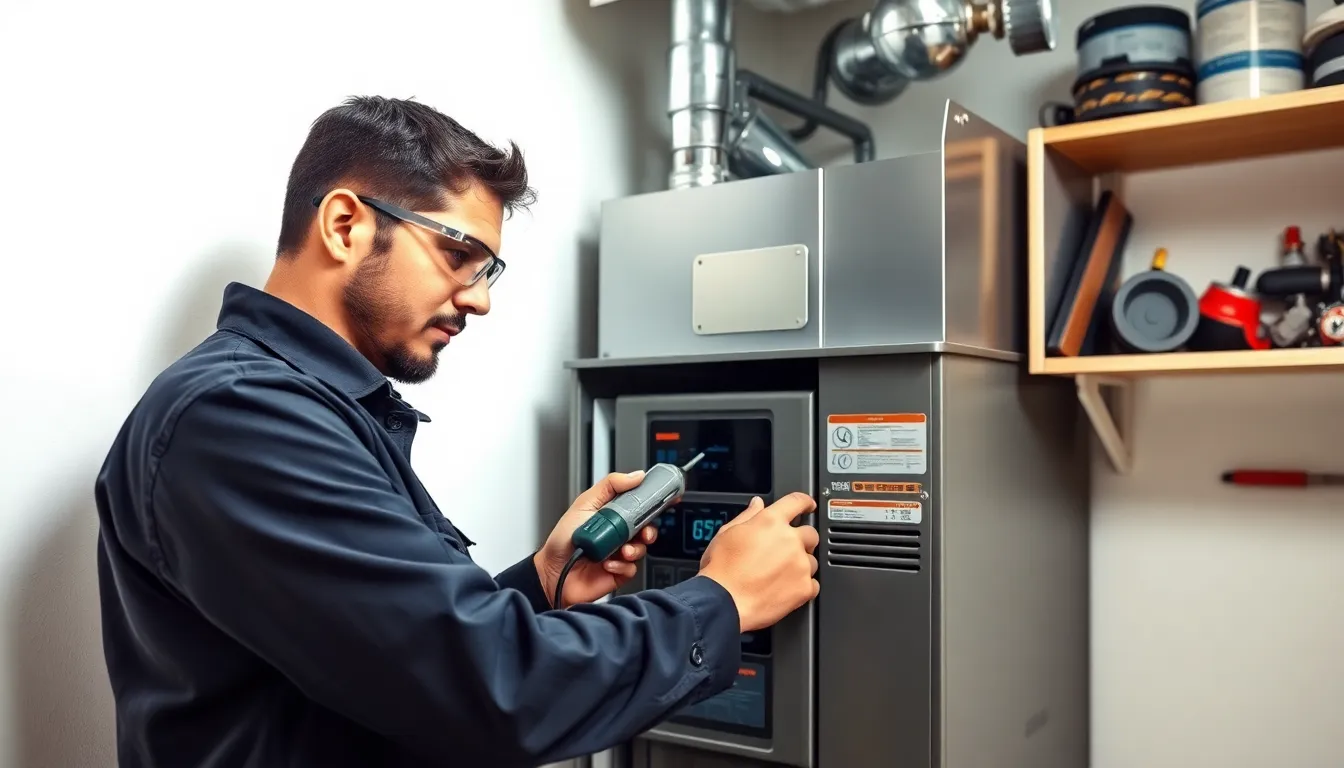
Just like a car requires regular oil changes, your furnace needs maintenance to ensure it runs efficiently. Neglecting it can lead to breakdowns when you least expect them, causing inconvenience, discomfort, and potentially costly repairs. Regular maintenance can extend the lifespan of your furnace, improve its efficiency, and reduce energy bills. Think of it as a check-up for your heating system, keeping it healthy means fewer surprises down the road.
Understanding Your Furnace System
To maintain a furnace effectively, it helps to understand how it works. Most home furnaces are either gas or electric. A gas furnace burns fuel to create heat, while an electric furnace relies on heating elements. There are various components like blowers, heat exchangers, and ignition systems. Each part plays a crucial role in the heating process. Familiarizing yourself with these components not only helps in maintenance but also aids in recognizing when something is amiss. Knowing the basic anatomy of your furnace can empower homeowners and make troubleshooting much easier.
Key Maintenance Tasks For Homeowners
- Replace the Filter Regularly: A dirty filter restricts airflow, making your furnace work harder. Change it every one to three months depending on usage.
- Clean the Vents: Dust and debris can build up, which impairs efficiency. Vacuum the vents and keep them clear.
- Check the Thermostat: Ensure that your thermostat is functioning properly. A malfunctioning thermostat can lead to unnecessary heating or cooling, increasing costs.
- Inspect the Flue: Regularly check if the flue is clear to allow exhaust gases to escape safely.
- Lubricate Moving Parts: Applying lubricant to moving components can prevent wear and tear, enhancing performance.
These tasks are easy and can be performed by most homeowners without professional help.
When To Call A Professional
While many maintenance tasks are DIY-friendly, some situations call for professional help. If you notice unusual noises, strange odors, or if the furnace isn’t providing consistent heat, it’s time to contact a technician. A professional can diagnose and remedy issues that may be beyond the average homeowner’s expertise. Annual professional inspections are also recommended to catch potential problems before they escalate. Professionals have the tools and knowledge to ensure your system operates safely and efficiently.
Signs Your Furnace Needs Attention
Keep an eye out for these red flags:
- Increased Energy Bills: Unsustainable spikes in energy costs can indicate your furnace is working harder than it should.
- Inconsistent Temperatures: If some rooms are warm while others remain cold, it’s a sign something’s off.
- Strange Noises: Banging, rattling, or shrieking sounds typically signal a problem.
- Unpleasant Odors: Burning smells or a gas-like odor can indicate serious issues that require immediate attention.
If you notice any of these signs, don’t hesitate. Addressing them sooner rather than later can save you from major repairs or replacements.
Tips For Extending Furnace Lifespan
To ensure your furnace has a long and healthy life, consider these tips:
- Schedule Annual Maintenance: Regular check-ups help catch minor issues before they turn into expensive problems.
- Adjust the Thermostat: Maintaining a consistent temperature can prevent overworking the system.
- Insulate Your Home: Proper insulation minimizes heat loss, putting less stress on your furnace to keep your home warm.
- Seal Ducts: Leaky ducts can waste energy. Ensuring they’re sealed properly increases efficiency.
- Invest in a Programmable Thermostat: This smart upgrade allows you to manage your heating needs better.