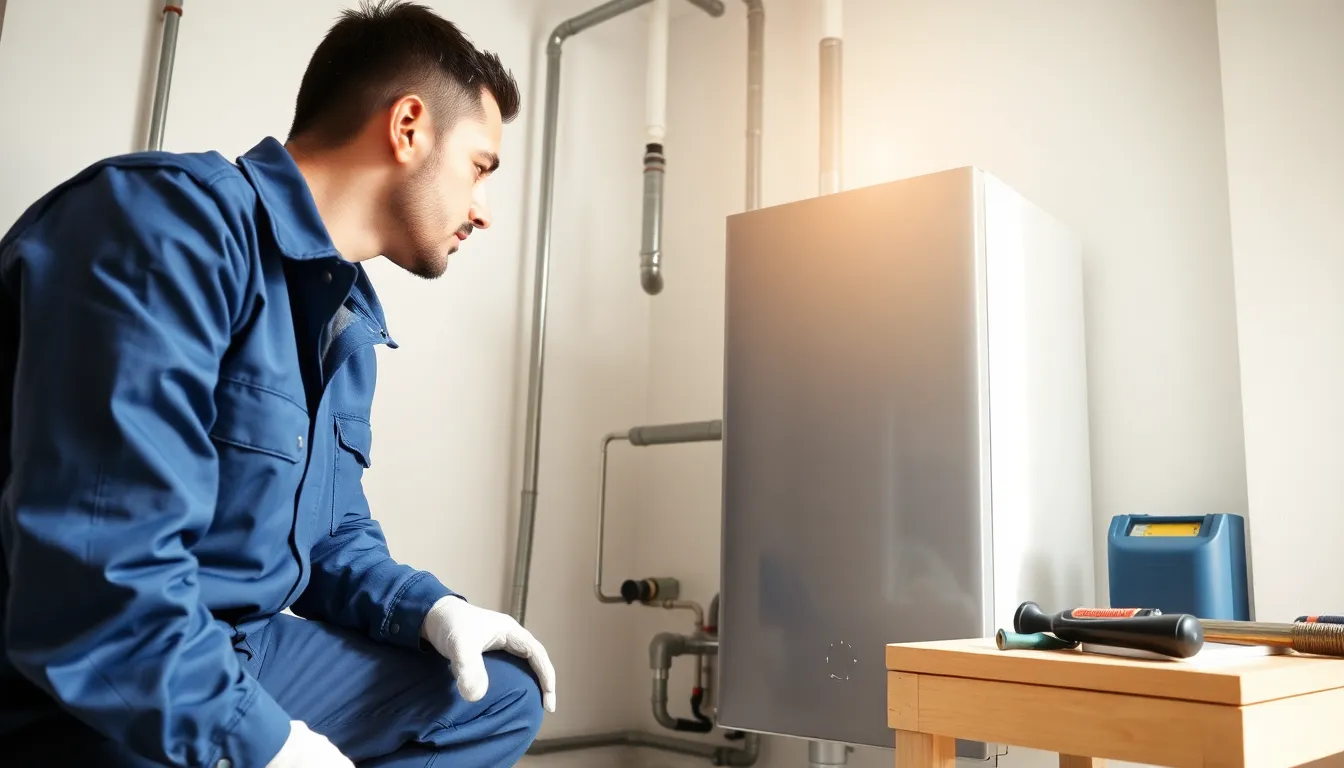
Home boiler maintenance might not sound like the most thrilling topic, but let’s face it, when winter rolls around, the last thing anyone wants is to turn up the thermostat only to be greeted by a chilling silence. A well-maintained boiler is like a loyal butler: efficient, unobtrusive, and always ready to serve. So, strap on your best toolbelt and let’s jump into the nitty-gritty of keeping your boiler in tip-top shape.
Understanding Your Boiler System
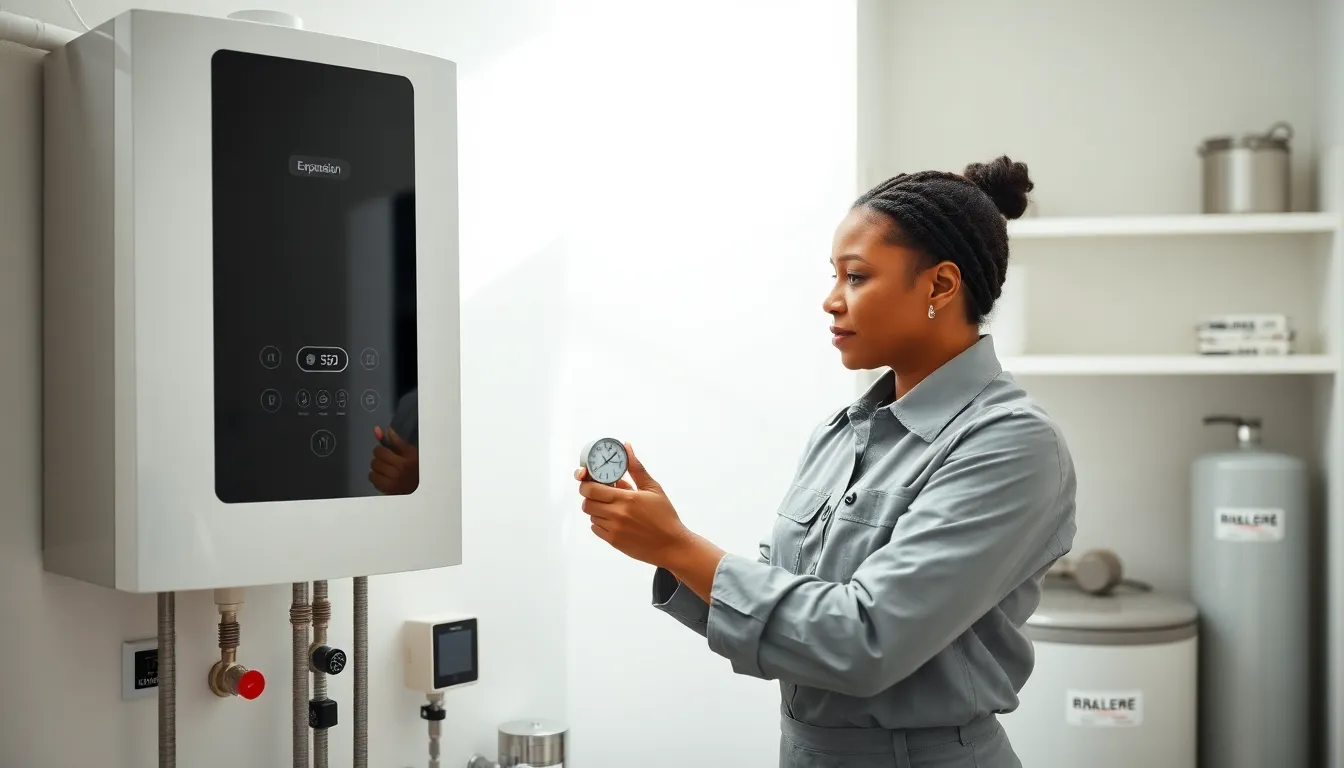
To start, it’s essential to grasp what exactly makes your boiler tick. A boiler is a vital component of a home’s heating system: it warms up water which is then circulated throughout the house, delivering that cozy warmth when it matters most. There are several types of boilers, including:
- Combi Boilers: Compact and efficient, providing both hot water and heating on demand.
- System Boilers: These store hot water in a cylinder, perfect for homes with high hot water demands.
- Regular Boilers: Traditional systems with a separate hot water tank.
Understanding the thermostat, pressure relief valve, and expansion tank is crucial. They all play unique roles in ensuring smooth operation. So, whether he’s adjusting the thermostat or she’s monitoring the pressure gauge, knowing the fundamentals empowers homeowners to keep their boilers functioning effectively.
Importance of Regular Maintenance
Why is regular maintenance so important? It’s simple: regular upkeep not only prolongs the lifespan of a boiler, but it also enhances energy efficiency and can significantly reduce energy bills. A well-maintained boiler operates more efficiently, meaning it doesn’t use more fuel than necessary to keep the home warm.
Also, neglecting maintenance can lead to hazardous situations. Safety isn’t just a buzzword: it’s vital. Regular servicing helps identify potential problems before they escalate into significant issues or dangers. With testimonials from countless satisfied homeowners, the consensus is clear: invest in a bit of maintenance, and save a lot of hassle down the line.
Essential Maintenance Tasks
Essential maintenance tasks can be straightforward. Here’s a handy guide:
- Annual Servicing: Schedule this with a qualified technician. It’s the gold standard of boiler maintenance.
- Check the Pressure: Boilers function best at the right pressure. Checking and adjusting pressure regularly can prevent malfunction.
- Bleed Radiators: Lifting the heat from radiators is key. Bleeding them helps eliminate trapped air that can hinder heating efficiency.
- Inspect the Flue: Ensure that it’s clear from obstructions and that the venting is in good condition.
- Examine for Leaks: Regularly check for signs of water leaks. Early detection can save a bundle in repairs.
Signs Your Boiler Needs Attention
Being proactive is all about recognizing signs of trouble. Homeowners should watch for:
- Unusual Noises: Any rattling or banging may signal an internal issue.
- Increased Energy Bills: A sudden spike in costs could mean inefficiency.
- Pilot Light Issues: If the pilot light frequently goes out, it could indicate a deeper issue.
- Slow Heating: If certain rooms are cold, it may suggest blockages or a failing pump.
- Foul Odors: If there’s a strange smell, especially rotten eggs, it’s time to seek professional help.
Seasonal Maintenance Checklist
A seasonal checklist streamlines the maintenance process, ensuring important tasks don’t fall through the cracks. Here’s a checklist to follow each season:
Fall:
- Schedule an annual service.
- Check insulation around pipes.
- Clear any debris from the boiler area.
Winter:
- Monitor for strange noises.
- Ensure there’s no blockage in vents.
Spring:
- Bleed radiators.
- Check for leaks.
- Inspect the thermostat setting.
Summer:
- Schedule a professional inspection before the next winter.
- Clean dust and debris from the boiler.
When to Call a Professional
Sometimes, a DIY approach isn’t enough. It’s wise to call a professional if:
- Routine checks reveal significant mechanical issues.
- There’s been a change in efficiency.
- Safety warnings appear on the boiler unit itself.
- Your boiler is older than 15 years and starts showing multiple problems.
- You simply feel uncomfortable tackling an issue. Remember, safety first.