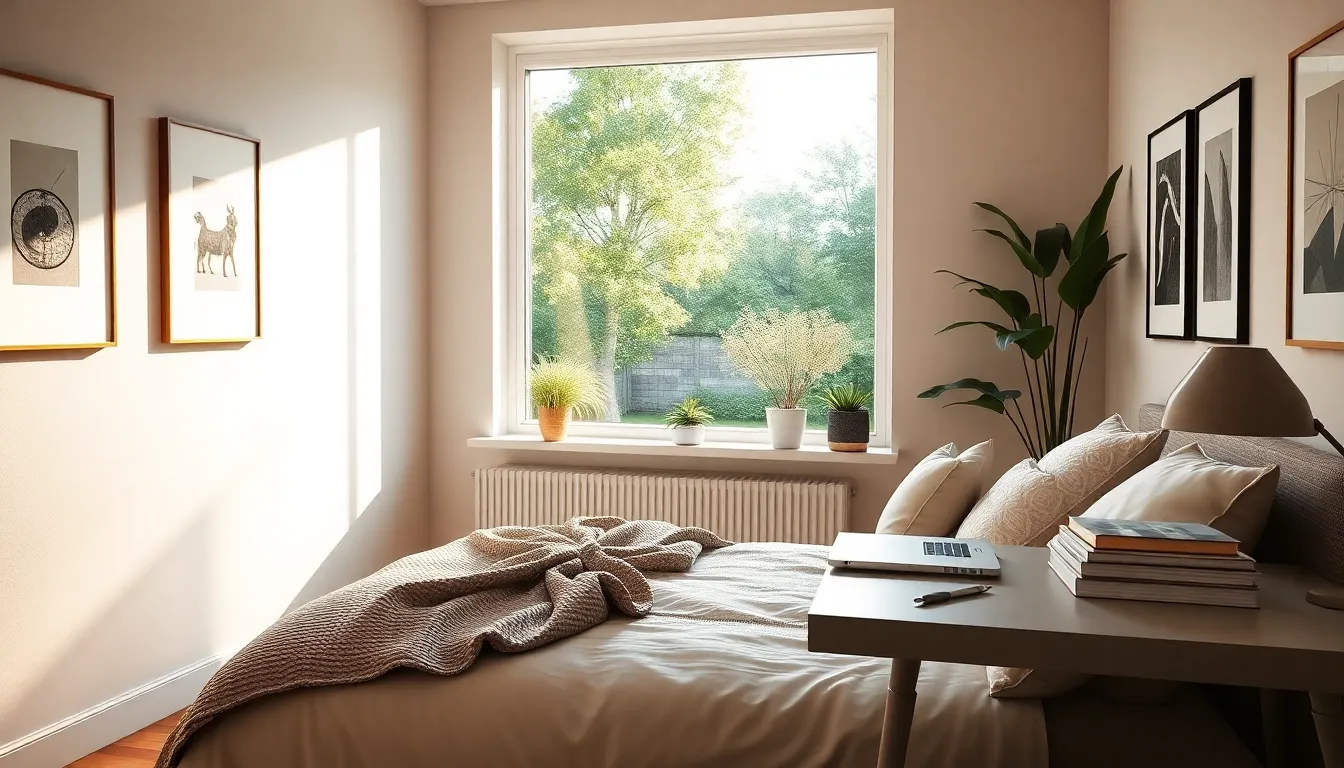
Picture this: you’re in a cozy, well-designed bedroom, but wait, there’s no window. Is that even legal? Well, the answer might surprise you. The debate around windowless bedrooms often opens up a Pandora’s box of questions about regulations, air quality, and the vital role of natural light. Today, we’ll unravel this mystery with a sprinkle of humor and a whole lot of knowledge. Grab a comfy seat, and let’s jump into the intriguing realm of bedroom regulations and design.
Understanding Bedroom Regulations
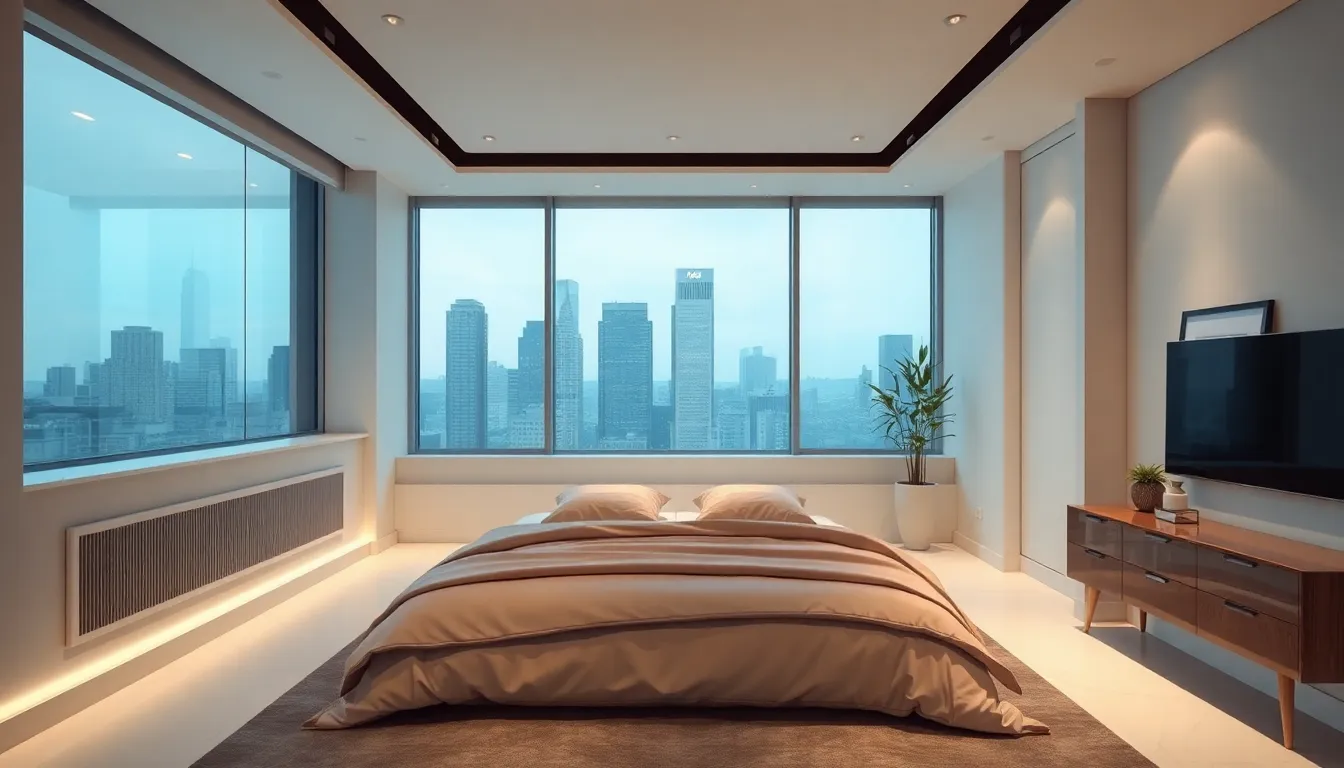
Many people assume that every bedroom must have windows, but that’s not universally true. Building codes can vary widely by state, city, and even specific neighborhoods. Generally speaking, local building codes dictate the requirements for bedrooms, and these can vary when it comes to light and ventilation.
For example, the International Building Code (IBC) often requires that every bedroom have at least one window to ensure natural light and proper ventilation. But, there are exceptions in certain jurisdictions where local authorities may grant variances, allowing windowless bedrooms. In such cases, alternate ventilation systems must typically be installed to ensure adequate air circulation.
Another factor to consider is the size of the bedroom. If it’s classified as a bedroom (commonly defined by having sufficient space to fit a bed and possibly a closet), it may not need a window if it meets safety and ventilation standards.
Understanding these regulations is crucial for anyone looking to buy or renovate property. When in doubt, contacting local building authorities or a construction professional is always a wise move.
Importance Of Natural Light
Natural light is a game changer in bedroom design, contributing not only to aesthetics but also to overall well-being. Studies show that exposure to natural sunlight can significantly boost mood, improve sleep quality, and even enhance productivity.
Bedrooms filled with sunlight can feel more calming and inviting than their dark counterparts. A space without access to natural light might lead to feelings of dreariness or discomfort. Imagine trying to wake up in a cave, that lack of brightness can be quite unsettling. Natural light also helps regulate circadian rhythms, influencing when and how well we sleep.
Incorporating windows into a bedroom can infuse it with brightness, making it feel larger and more open. But, for those with windowless rooms, don’t despair. There are alternatives to mimic that sunny feeling, which we’ll discuss in the following sections.
Alternatives To Traditional Windows
For those who find themselves in a windowless bedroom, alternatives do exist. First up, consider installing skylights. These can provide a significant influx of natural light from above, creating a more open feel without traditional windows.
Another option is to use light tubes, also known as tubular skylights. These nifty devices catch sunlight from outside, channeling it through reflective tubes into your room. This not only brightens up the space but also reduces the need for artificial lighting.
Then there’s the option of utilizing mirrors strategically. Placing mirrors opposite artificial light sources can help create the illusion of space and brightness, reflecting whatever light is present. Also, using lighter paint colors for your walls can make the room appear larger and more inviting, adding to the open ambiance that windows typically provide.
LED light solutions also offer customizable brightness to emulate the feel of daylight, enhancing the aesthetic while promoting a cozy environment.
Safety Considerations For Windowless Bedrooms
Safety is paramount when it comes to any living space, and bedrooms are no exception. The absence of windows can pose specific challenges, particularly during emergencies. In many jurisdictions, building codes require bedrooms to have egress windows or other means of escape in case of fire. This means that if a bedroom doesn’t have an accessible window, it should have an alternate exit, like a door leading directly to the outside.
Ventilation is another critical safety concern. Even if a room is aesthetically pleasing, without proper airflow, it can become stale and musty. Installing mechanical ventilation or specialized air purifiers can significantly improve air quality, ensuring that occupants feel comfortable and are safe from excessive humidity and pollutants.
Also, ensure that smoke detectors are installed and functional. They serve as essential safeguards in any bedroom, particularly those lacking natural escape routes. Addressing these safety considerations not only meets legal requirements but also enhances peace of mind for anyone sleeping within those walls.
Designing A Comfortable Windowless Bedroom
Designing a comfortable bedroom without windows calls for creativity and intention. First, focus on lighting. Incorporating layered lighting, ambient, task, and accent, will create a balanced atmosphere. Dimmable LEDs allow for mood adjustments, giving flexibility for different times of day.
Next, think about the color palette. Lighter colors can visually expand a room, while warmer tones can foster a cozy atmosphere. You could go for soft neutrals like creams or pale blues combined with warm-hued accents. Adding texture with fabrics and decor, such as plush throw pillows, luxurious quilts, or even area rugs, creates inviting warmth.
Finally, don’t forget about personal touches. Surrounding oneself with items that bring joy, whether art, photographs, or plants, will transform the space into a sanctuary, even if it lacks windows. The more one personalizes the space, the more it feels like home, which is what any bedroom should embody.