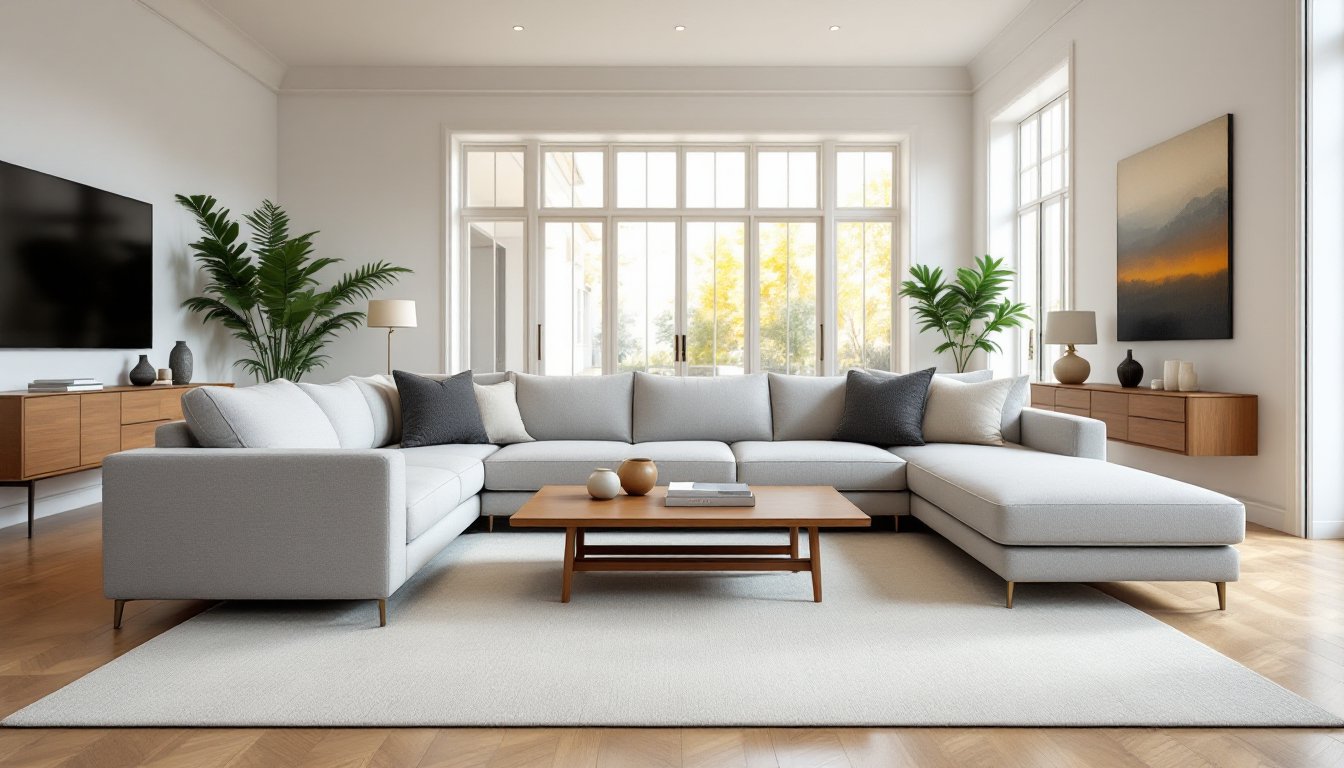
An L shape sectional sofa isn’t just furniture, it’s a spatial solution. These corner-hugging pieces maximize seating without hogging floor space, making them ideal for open-plan living rooms, media rooms, and family spaces. But not all sectionals are created equal. The difference between a perfectly scaled piece and a room-swallowing mistake comes down to careful measuring, configuration planning, and material selection. This guide walks through everything needed to choose, position, and style an L shape sectional that works with the room, not against it.
Table of Contents
ToggleKey Takeaways
- An L shape sectional sofa maximizes seating efficiency by utilizing corner space, delivering more usable seating per square foot than traditional sofa-and-loveseat combinations.
- Precise room measurements—including clearances for walkways, coffee tables, and delivery paths—are critical to prevent an L shape sectional from overwhelming your space or becoming impossible to deliver.
- Choosing between left-facing and right-facing configurations depends on room entry points, window placement, and TV viewing angles to ensure functionality and comfort.
- Performance fabrics like microfiber and treated textiles are essential for households with kids or pets, while frame construction using kiln-dried hardwood and high-density foam ensures long-term durability.
- Styling an L shape sectional with an anchoring area rug, layered lighting, and vertical elements prevents the piece from appearing bulky while defining the seating zone in open-plan layouts.
- Modular construction and flexible configurations make an L shape sectional adaptable across different homes and floor plans, but always verify delivery logistics and return policies before purchase.
Why L Shape Sectional Sofas Are Perfect for Modern Homes
L shape sectionals deliver more seating per square foot than traditional sofa-and-loveseat combos. By utilizing corner space, often dead zones in furniture layouts, they create cohesive conversation areas without requiring multiple separate pieces.
Open-plan layouts benefit most. In rooms where the living area flows into dining or kitchen spaces, an L sectional can define the lounge zone without blocking sightlines. The back of the sofa acts as a visual divider, anchoring the seating area while maintaining an open feel.
For families, the continuous seating eliminates gaps between cushions and accommodates more people during movie nights or gatherings. Many designs include chaise extensions, providing a built-in lounging spot that would otherwise require an ottoman or recliner.
Modular construction is another advantage. Most L sectionals come in separate pieces, left arm, right arm, armless center, and chaise, allowing homeowners to reconfigure the layout if they move or rearrange. This flexibility extends the lifespan of the investment compared to fixed-frame sofas.
Measuring Your Space for an L Shape Sectional
Start with room dimensions, not sofa dimensions. Measure the total wall length where the sectional will sit, then subtract clearances:
- 36 inches minimum from the sofa edge to opposite walls or furniture for walkways
- 14-18 inches between the sofa and coffee table for legroom
- 3-6 inches of clearance from walls to allow for baseboard trim and airflow
Doorway and stairwell access matters. Measure the narrowest point of the delivery path, including door frames, stair widths, and hallway corners. Most sectionals ship in pieces (individual sections are typically 32-40 inches wide), but confirm packaging dimensions with the retailer before purchase.
Map the footprint with painter’s tape. Use blue painter’s tape on the floor to outline the sectional’s exact dimensions, including the chaise projection. Live with the taped outline for a day or two to test traffic flow and sightlines to TVs or windows. This step reveals whether the piece crowds the space or blocks natural pathways.
Consider ceiling height and scale. In rooms with 8-foot ceilings, sectionals with low-profile backs (30-34 inches tall) prevent the piece from feeling top-heavy. Higher ceilings (9+ feet) can handle taller backs and deeper seats without overwhelming the room.
Choosing the Right Configuration: Left vs. Right-Facing Sectionals
“Left-facing” and “right-facing” describe where the chaise or longer portion sits when standing in front of the sofa looking at it. A left-facing sectional has the chaise extending to the left: a right-facing extends to the right.
Determine orientation by room entry points. If entering the room from the right, a left-facing sectional places the chaise away from the entry, keeping the main seating area open and inviting. Conversely, right-facing works better when entering from the left.
Window placement affects configuration. Position the sectional so the chaise doesn’t block prime window light. In many cases, placing the shorter arm near windows and the chaise toward interior walls balances natural light with functional seating.
TV viewing angles matter for media rooms. The chaise should face the screen or at least angle toward it. Sitting perpendicular to the TV creates neck strain and wastes the lounging potential of the extended seat. Measure viewing distance, 1.5 to 2.5 times the TV’s diagonal screen size, to ensure the sectional isn’t too close or too far.
Some manufacturers offer reversible chaise designs where the long section detaches and reattaches on either side. These add flexibility but often cost more and may have visible seams where sections connect.
Material and Upholstery Options for L Shape Sectionals
Fabric choice impacts durability and maintenance. For high-traffic homes with kids or pets, performance fabrics are non-negotiable:
- Microfiber: Stain-resistant, easy to clean, affordable. Feels slightly synthetic but holds up to spills and claws.
- Performance linen: Natural look with added polyester for durability. Resists fading and moisture better than pure linen.
- Crypton or similar treated fabrics: Built-in stain and odor protection. Premium pricing but worth it for households with heavy use.
Leather and faux leather offer wipe-clean convenience. Top-grain leather develops a patina over time and breathes better than bonded leather, which can peel after a few years. Faux leather (polyurethane or PVC) mimics the look at lower cost but doesn’t age as gracefully. Designs featuring modern convertible sectionals often blend soft linen with durable frames for adaptable living spaces.
Frame construction determines longevity. Look for kiln-dried hardwood frames (oak, maple, or birch) with corner blocks and doweled joints. Avoid frames made entirely of particleboard or plywood, which sag under weight. Ask retailers for frame details, solid manufacturers disclose construction materials.
Cushion fill affects comfort and shape retention:
- High-density foam (1.8-2.0 lbs/cubic foot): Firm support that lasts years without flattening.
- Down-wrapped foam: Plush feel with foam core for structure. Requires occasional fluffing.
- Spring coils: Traditional innerspring construction. Pairs well with foam toppers for balanced support.
Removable, washable covers add practicality. Slipcover sectionals or zippered cushion covers allow for deep cleaning without professional upholstery services.
Styling Tips to Maximize Your L Shape Sectional
Anchor the sectional with an area rug that extends at least 12-18 inches beyond all edges of the sofa. This grounds the seating area and defines the zone visually. In open-plan spaces, the rug signals where the living area begins and ends.
Coffee table size should be proportional. For sectionals longer than 100 inches, consider two smaller tables (nested or matching pairs) instead of one large piece. This improves access from multiple seating positions and avoids a blocky center obstacle.
Throw pillows add color and texture but don’t overdo it. Three to five pillows in varying sizes (20-inch, 18-inch, and lumbar) provide comfort without creating clutter. Mix patterns and solids, keeping a cohesive color palette. Many small space living solutions emphasize restraint in accessorizing sectionals to avoid visual overload.
Balance the sectional’s bulk with vertical elements. Tall floor lamps, wall art above the backrest, or a console table behind the sofa add height and prevent the piece from feeling squat. In rooms with low ceilings, vertical lines draw the eye upward.
Lighting layers improve functionality. Overhead lighting alone casts harsh shadows on sectionals. Add table lamps on side tables, floor lamps near reading corners, and even LED strip lighting behind the sofa for ambient glow during movie nights.
Floating the sectional away from walls works in larger rooms (15×18 feet or bigger). This creates a walkway behind the sofa and makes the seating feel like a purposeful zone rather than furniture shoved against walls. Place a narrow console table behind the floated sectional for added storage and visual interest.
Common Mistakes to Avoid When Buying an L Shape Sectional
Skipping in-person testing leads to comfort regrets. Seat depth, back height, and cushion firmness vary wildly between models. What looks good online may feel too deep, too shallow, or too firm in reality. If buying online, check return policies and restocking fees before committing.
Ignoring delivery logistics causes headaches. Confirm whether the retailer delivers “white glove” (into the room, assembled) or “threshold” (dropped at the door). Multi-story homes without elevators may incur extra fees or require professional movers. Measure doorways and turns along the delivery path, including tight corners and low-clearance stairwells.
Choosing style over scale is a frequent error. A trendy deep-seated sectional might look stunning in a showroom but overwhelm a modest living room. Prioritize fit first, aesthetics second. Proper scale ensures the sectional enhances the space instead of dominating it.
Neglecting the room’s focal point disrupts flow. The sectional should face the primary feature, TV, fireplace, or picture window. Arranging it to face a blank wall wastes the layout potential and creates an awkward seating dynamic.
Buying without considering future moves is short-sighted. Modular sectionals disassemble into smaller pieces, making relocation easier. One-piece or permanently attached sectionals may not fit through doorways in a new home, effectively trapping the investment. Many home design resources recommend modular configurations for flexibility across different floor plans.
Skimping on warranty and protection plans risks costly repairs. Quality sectionals should carry at least a 1-year manufacturer warranty covering frame and cushion defects. Extended warranties or fabric protection plans make sense for households with pets or young children, though read the fine print on coverage exclusions.
Conclusion
An L shape sectional sofa works when the math works, proper measurements, the right configuration, and materials suited to the household’s lifestyle. Skipping any of these steps turns a smart furniture investment into an expensive mistake. Take the time to map the space, test the comfort, and plan the layout before delivery day arrives.