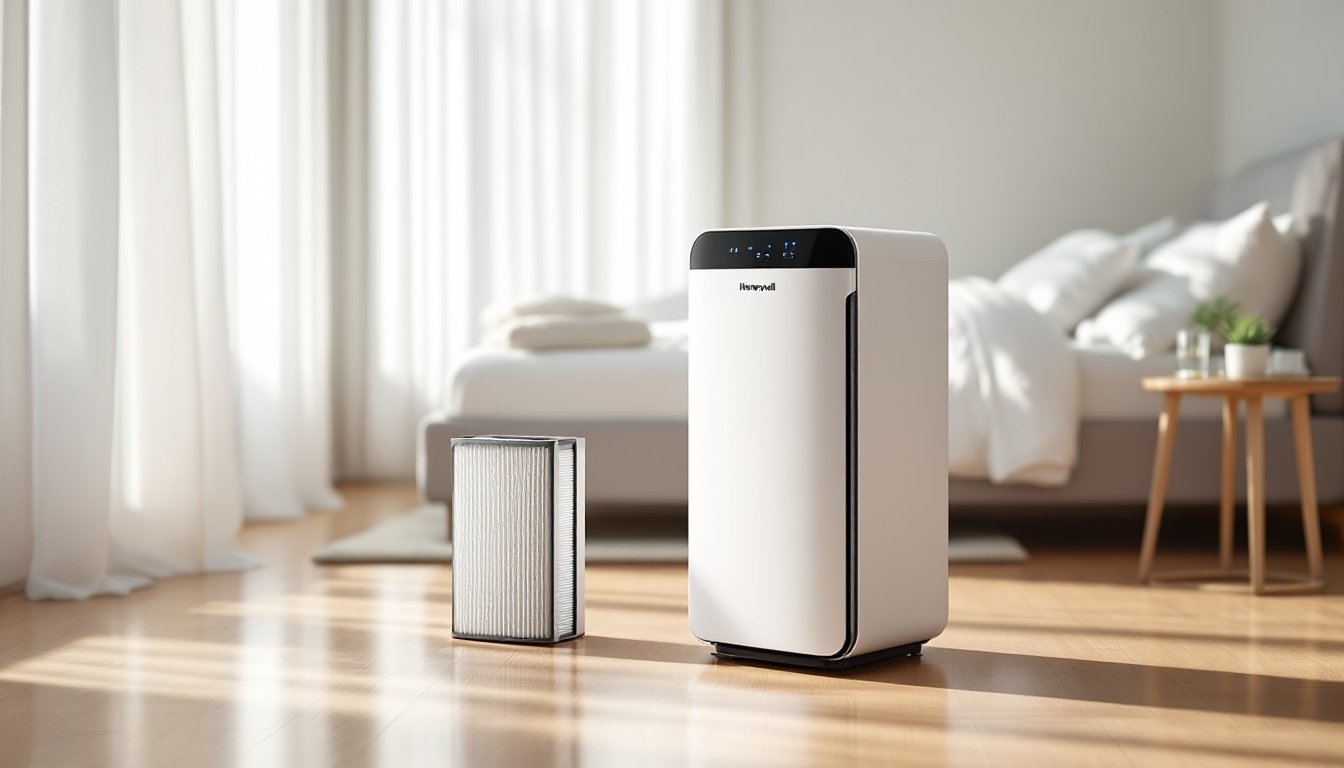
Indoor air quality isn’t just about comfort, it’s about health. If you’re dealing with dust, pet dander, pollen, or stale air in your home, a Honeywell HEPA air purifier can make a measurable difference. These units aren’t new to the market, but they’ve earned a reputation for straightforward operation, solid filtration, and honest performance specs. Whether you’re outfitting a bedroom, home office, or open living space, understanding how these purifiers work and which model fits your square footage will help you get cleaner air without the guesswork. This guide walks through model options, placement strategy, and maintenance basics so you can make an informed choice and keep your unit running efficiently.
Table of Contents
ToggleKey Takeaways
- A Honeywell HEPA air purifier uses True HEPA filters certified to capture 99.97% of airborne particles down to 0.3 microns, including pollen, dust mites, pet dander, and mold spores.
- Match your Honeywell HEPA air purifier model to room size by CADR ratings: HPA100 for up to 155 sq ft, HPA200 for up to 310 sq ft, HPA300 for up to 465 sq ft, and HPA5300B for up to 500 sq ft.
- Maximize efficiency by placing your purifier with at least 12 inches of clearance on all sides, away from heat sources and direct sunlight, in areas where you spend the most time.
- Replace the carbon pre-filter every 3 months and the main HEPA filter annually to maintain peak performance and prevent fan motor strain.
- Honeywell air purifiers draw only 50–100 watts on high speed, adding roughly $5–$10 monthly to your electric bill while delivering measurable dust reduction within days of continuous use.
What Makes Honeywell HEPA Air Purifiers Stand Out
Honeywell air purifiers use True HEPA filters, which are certified to capture 99.97% of airborne particles down to 0.3 microns. That covers most common irritants: pollen, mold spores, dust mite debris, and pet dander. Unlike some brands that use “HEPA-type” or “HEPA-like” filters, Honeywell sticks to the HE13 or H13 standard, which is independently tested.
Most models pair the HEPA filter with an activated carbon pre-filter to handle odors, pet smells, cooking smoke, mild VOCs. The pre-filter also extends the life of the main HEPA media by catching larger particles before they clog the pleated core.
Honeywell units favor mechanical filtration over ionizers or UV lights. That means no ozone byproduct and fewer maintenance variables. The fan pulls air through the filter stack: no complex electronics or proprietary tech. If a fan motor dies or a filter clogs, diagnosis is straightforward.
Another practical feature: multiple fan speeds and timer functions on most models. You can run the unit on high during peak pollen hours, then dial it back to low overnight. Some models include an auto mode that adjusts fan speed based on a built-in air quality sensor, though that sensor typically reads particulate density, not specific allergens or VOCs.
Top Honeywell HEPA Air Purifier Models for Different Room Sizes
Matching purifier capacity to room size is critical. Manufacturers rate units by clean air delivery rate (CADR) and recommended square footage. Undersizing a purifier means it’ll run constantly on high and still underperform.
HPA300 (Large Rooms)
The HPA300 is Honeywell’s workhorse for spaces up to 465 square feet. CADR ratings: 300 for smoke, 300 for dust, 320 for pollen. It circulates the room’s air five times per hour at max capacity, which is solid for bedrooms, family rooms, or open-plan kitchens. Expect a noise floor around 50–60 dB on high speed, comparable to a window AC unit.
Filter replacements run roughly every 12 months for the HEPA and every 3 months for the carbon pre-filter, depending on runtime and air quality. The unit weighs about 21 pounds, so it’s portable but not a grab-and-go design.
HPA200 (Medium Rooms)
The HPA200 handles up to 310 square feet. CADR: 200 across the board. This model fits home offices, guest rooms, or smaller living areas. It’s quieter than the HPA300 on low speed, closer to 40 dB, making it a good overnight option.
Physically smaller and lighter at around 11 pounds, the HPA200 is easier to move between rooms if you’re targeting specific areas during allergy season.
HPA100 (Small to Medium Rooms)
For spaces up to 155 square feet, the HPA100 covers bedrooms, nurseries, or tight home gyms. CADR is 100–120 depending on particle type. It’s the most affordable entry point and uses the same True HEPA standard as larger siblings.
The tradeoff: slower air changes per hour in larger spaces. If your room is closer to 200 square feet, step up to the HPA200.
HPA5300B (Extra-Large Spaces)
Honeywell’s HPA5300B targets rooms up to 500 square feet and is often mentioned in large room air purifier reviews for high-capacity residential use. CADR peaks around 320, and the unit includes Bluetooth connectivity for app-based scheduling. If you’re outfitting a finished basement or great room, this is the model to consider.
How to Choose the Right Honeywell HEPA Air Purifier for Your Home
Start by measuring the room. Multiply length by width to get square footage. If the space has vaulted ceilings over 10 feet, you’re working with more air volume, consider sizing up one model tier.
Identify your primary concern. If it’s seasonal pollen, any True HEPA unit will work. If you’re targeting pet odors or cooking smells, confirm the model includes an activated carbon pre-filter. For smoke (wildfire or tobacco), look for higher CADR smoke ratings and plan on more frequent filter changes.
Noise tolerance matters. If you’re placing the purifier in a bedroom, check the decibel rating on low speed. The HPA100 and HPA200 are quieter at night than the HPA300. Some users run the unit on high during the day, then switch to low or medium when they sleep.
Energy use is modest across the lineup. Most Honeywell HEPA purifiers draw 50–100 watts on high speed, comparable to a couple of LED bulbs. Running a unit 24/7 adds roughly $5–$10 per month to your electric bill, depending on local rates.
Filter cost and availability should factor in. Honeywell uses standardized filter part numbers (e.g., HRF-R1, HRF-AP1) that are widely stocked at big-box stores and online. Avoid third-party “compatible” filters unless they explicitly state True HEPA certification: some off-brand filters underperform or don’t seal properly.
Installation and Placement Tips for Maximum Efficiency
Honeywell purifiers don’t require installation in the structural sense, no wiring, no ductwork. Unbox, plug in, and run. But placement makes a big difference.
Keep all sides clear. Most models pull air from the front and sides, then exhaust upward. Leave at least 12 inches of clearance on all sides and 24 inches above the unit. Tucking it into a corner or under a desk chokes airflow and forces the fan to work harder.
Avoid direct sunlight or heat sources. Don’t place the purifier next to a baseboard heater, radiator, or sunny window. Heat accelerates filter degradation and can warp plastic housings.
Run it where you spend time. If you’re targeting allergen relief, place the unit in the bedroom and run it while you sleep. For cooking odors, position it in or adjacent to the kitchen, but not directly over the stove, where grease can clog the pre-filter prematurely.
Don’t block the air path. Curtains, furniture backs, and stacked storage boxes all obstruct intake. If you’re placing the unit near a wall, pull it out at least a foot.
Consider airflow patterns. If you have forced-air HVAC, the purifier works with it, not against it. Position the unit where return air vents pull room air toward the furnace filter, creating a layered filtration approach. This won’t replace regular HVAC filter changes, but it reduces the load on both systems.
Maintaining Your Honeywell HEPA Air Purifier: Filter Replacement and Care
Filter maintenance is the only recurring task, and it’s non-negotiable. A clogged HEPA filter doesn’t just reduce performance, it can strain the fan motor and shorten the unit’s lifespan.
Pre-filter (carbon): Replace every 3 months under normal use. If you have multiple pets, smoke indoors, or live near a wildfire zone, cut that to 6–8 weeks. The pre-filter is visible when you open the front panel: if it looks gray or matted, it’s done.
HEPA filter: Honeywell recommends replacement every 12 months. Some units include a filter change indicator light based on runtime hours. Don’t try to vacuum or wash a True HEPA filter, the pleated media is fragile, and water destroys the electrostatic charge that helps trap particles.
Cleaning the exterior: Unplug the unit and wipe down the housing with a damp microfiber cloth. Avoid harsh cleaners or abrasives. If dust builds up on the intake grille, use a soft brush attachment on a vacuum to clear it.
Fan blades (advanced): Some DIYers disassemble the unit annually to clean fan blades, but this voids the warranty on most models. If you’re comfortable with small appliance repair and the warranty has expired, it’s doable, just document the disassembly with photos and label screws.
Filter disposal: HEPA and carbon filters go in the trash. They’re not recyclable in most municipal programs because they’re mixed-media and potentially contaminated with allergens or mold spores. Seal them in a plastic bag before disposal if you have severe allergies.
Real-World Performance: What to Expect from Your Honeywell Air Purifier
Honeywell purifiers won’t eliminate every airborne issue, but they deliver measurable improvements in particle count. Expect visible dust reduction within a few days of continuous use. Surfaces stay cleaner longer, and HVAC return vents collect less lint.
Allergy relief varies by individual. Most users report fewer nighttime symptoms, less congestion, reduced sneezing, after running a unit in the bedroom for a week or two. That tracks with studies on HEPA filtration and allergen load reduction.
Odor control is hit-or-miss. Activated carbon handles mild pet smells and light cooking odors, but it won’t eliminate heavy smoke, strong perfumes, or chemical fumes. For serious odor issues, like post-fire remediation or mold cleanup, you need a unit with a larger carbon bed or a standalone activated carbon filter, which Honeywell’s residential lineup doesn’t offer.
Noise is the most common complaint. On high speed, these units are audible. If you’re sensitive to white noise, you’ll notice it. On low or medium, most people acclimate within a few nights. Some users find the steady hum helps them sleep: others prefer to run the unit while they’re out and switch to low when home.
Durability is generally good. Expect 5–7 years of service with proper filter maintenance. Fan motors occasionally fail earlier, but Honeywell’s warranty (typically 5 years) covers defects. Keep your purchase receipt and filter replacement records.
For additional home air quality strategies, many homeowners pair HEPA filtration with practical ventilation and cleaning routines outlined on sites like realsimple.com and thespruce.com, which offer complementary tips for maintaining healthier indoor environments.
Conclusion
Honeywell HEPA air purifiers aren’t flashy, but they work. Match the model to your room size, replace filters on schedule, and place the unit where airflow isn’t obstructed. You’ll see cleaner surfaces, breathe easier, and reduce the load on your HVAC system. If you’re weighing options, prioritize CADR ratings over marketing claims, and remember that no air purifier replaces good ventilation and routine cleaning, it supplements them.